
Add Row
Add Element
cropper
update

VancouverUrbanOasis

update
Add Element
  • Home
  • Categories
    • Vertical Gardens
    • Balcony Bliss
    • Indoor Oasis
    • Seasonal Tips
    • Expert Insights
    • Eco Living
    • Small Yard Transformations
    • Kitchen & Bath
    • BC Home Trends
    • Budget DIY Projects
    • Edible Gardens
  • Gardening Tips
  • Featured Business
August 24.2025
3 Minutes Read

Maximize Your Small Space: Essential Peach Pruning Techniques

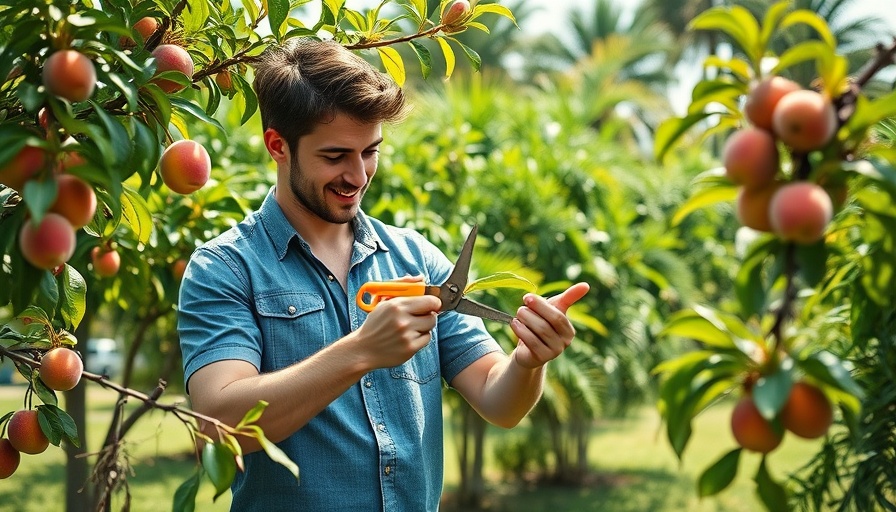
Young man demonstrating peach pruning techniques in a sunny garden.

Pruning Peaches: A Gardening Essential for Small Spaces

Pruning peach trees can seem daunting, especially in smaller urban gardens where residents might worry about space. However, understanding the importance of proper pruning techniques can lead to healthier trees and more abundant fruit production. In How I Prune My Peaches..., the video highlights practical steps for maintaining peach trees that will help Metro Vancouver residents maximize their yields without sacrificing valuable garden space.

In How I Prune My Peaches..., the discussion dives into effective pruning techniques, exploring key insights that sparked deeper analysis on our end.

The Benefits of Pruning Peach Trees

Just like any other fruit tree, effective pruning is crucial for peach trees. Not only does it help shape the tree, ensuring it fits well into a smaller garden, but it also promotes better air circulation and sunlight penetration, which are vital for the development of fruits. Regular pruning can also minimize diseases by eliminating dead or diseased branches. Keeping the tree well-maintained enhances the overall look of your garden while providing the sweetest rewards come harvest time.

Tools of the Trade for Effective Pruning

When it comes to pruning peach trees, having the right tools can make a world of difference. Essential tools include sharp pruning shears for making clean cuts, loppers for larger branches, and sometimes even a pruning saw for denser limbs. Investing in high-quality tools will not only make the job easier but also promote healthier tree growth because cleaner cuts heal better.

When to Prune for Maximum Yield

Timing is everything in gardening. Peach trees should generally be pruned in late winter or early spring, just before new growth begins. This allows you to remove any dead wood and shapes the tree structure while avoiding shock to the plant. In urban settings like Metro Vancouver, where space is at a premium, timely pruning ensures you get the best fruit possible without compromising on aesthetics.

Common Misconceptions About Pruning

One of the biggest misconceptions about pruning is that it hurts the tree. In reality, if done correctly, it encourages healthy growth. Many gardeners hesitate to prune too much for fear of damaging their trees, but light, regular pruning is actually beneficial. Additionally, some believe that any cut will heal slowly; however, the right cuts at the right time can significantly enhance a tree’s health.

Neighborhood Insights: Local Peach Varieties

For Metro Vancouver residents, knowing which varieties of peach trees thrive in the local climate can be beneficial. Cold-hardy types such as 'Reliance' or 'Hale Haven' are popular, as they're better suited for the region's cooler temperatures. By sharing local knowledge and experiences, community members can foster a supportive gardening culture that enhances everyone's success.

In exploring the video How I Prune My Peaches..., we uncovered essential pruning tips for peach trees that allow for fruitful gardening in limited spaces. This information encourages not only the responsible cultivation of fruit trees but also strengthens community ties in urban gardening practices.

Gardening Tips

1 Views

0 Comments

Write A Comment

*
*
Related Posts All Posts
11.22.2025

Unlock Endless Harvests by Growing These 29 Perennial Crops

Update Why Grow Perennials? The Smart Choice for Small Gardeners For those of us living in Metro Vancouver, the challenge of transforming our small spaces into productive gardens can often feel daunting. If growing annual vegetables and fruits is akin to living paycheck to paycheck, then incorporating perennials into your garden is like having a steady source of dividends. Perennials are your long-term investment in gardening, providing consistent harvests year after year with less effort over time. In this article, we're exploring the benefits of growing some of the best perennial crops that fit well in limited spaces while adding value to your home environment.In 'Grow These 29 Perennial Crops for Endless Harvests,' the discussion dives into the advantages of planting perennials, exploring key insights that sparked deeper analysis on our end. The Enduring Power of Asparagus One of the top choices for any gardener is asparagus, the quintessential OG perennial plant. While it takes a little patience—around 3 years to establish—once planted, it can produce delicious spears for decades. This makes it an excellent candidate for those with small space gardens, as it requires minimal maintenance once established. You can plant asparagus from crowns, seedlings, or even seeds, making it quite versatile in how you incorporate it into your garden. Rhubarb: The Pie Plant Staple No garden would be complete without the vibrant rhubarb. Known as the 'pie plant,' rhubarb thrives in cooler climates, making it perfect for early spring harvests. In milder regions like Vancouver, you might even enjoy its tangy stalks into early summer. Its ability to come back year after year means that once you plant it, it’s there for the long haul, offering culinary delights from pies to jams. Artichokes: The Beautiful Thistle Artichokes not only make a striking addition to any garden but are also a fantastic source of food. These thistle relatives thrive in well-drained soil and need minimal effort once established. They do well in raised beds or containers, making them ideal for small spaces. The key is to prune them appropriately and mulch them well during the winter months to protect their roots. Easy-to-Vary Perennial Greens In urban gardening, space often dictates what you can grow. Consider perennial greens like tree collards, which can be propagated from cuttings, or sorrel, which boasts a lemony flavor and can thrive even under neglect. They continually produce throughout the growing season, ensuring you always have fresh greens at your fingertips without the need for replanting each year. Benefits of Going Perennial Beyond the immediate advantages of fewer replantings, growing perennials also helps improve the health of your soil. Many perennial plants enhance soil structure and lead to better moisture retention, making them good companions for other annuals you may choose to cultivate. Furthermore, they provide a stable ecosystem for local pollinators and beneficial insects, contributing to a thriving garden overall. Creating Vertical and Container Gardens For those struggling with limited space in Vancouver, vertical and container gardening are excellent options when incorporating perennials. Plants like scarlet runner beans can be trained to climb, creating a living wall of greenery while saving valuable ground space. Utilizing containers for smaller perennials, such as strawberries and various herbs, allows you to optimize even the tiniest balcony or patio. Start Your Perennial Journey Today Are you ready to invest in your green space with these incredible perennial crops? Now is the perfect time to plan for an abundant garden that will reward your efforts for years to come. Choosing the right perennials, taking into consideration factors like climate and space, is crucial for optimizing your experience. Equip yourself with the knowledge of best practices and watch as your garden thrives! Happy gardening from all of us at Vancouver!

11.16.2025

Unlock the Secret: 22 New Seed Varieties for Urban Gardens in 2026!

Update Discover New Gardening Gems: 22 Unique Seed Varieties for 2026 As the gardening season approaches, there's an exhilarating anticipation within the community of green thumbs, especially for those in urban settings like Metro Vancouver. Each year, innovators in the gardening world search high and low for the most flavorful and resilient crops to suit our ever-changing climates and space constraints. Among them, the unveiling of 22 new seed varieties for 2026 is sure to ignite excitement for both seasoned gardeners and new hobbyists alike.In 'Revealing Our 22 NEW Seed Varieties for 2026!', the discussion dives into innovative gardening options, showcasing exciting new seeds that are perfect for urban spaces, making it an excellent catalyst for deeper exploration. Perfect Picks for Urban Gardens For urban dwellers where space can often be a premium, the introduction of compact crops is a game-changer. One standout variety is Space spinach, celebrated for its upright growth that thrives even in subtropical conditions. This spinach can be grown in small spaces like window boxes or even balconies, making it perfect for city gardeners. Equally impressive is the Asper Brock broccolini. Unlike traditional broccoli, it produces sweet, tender side shoots without the hassle of sprawling vines, fitting seamlessly into tight garden layouts. It’s the ideal choice for anyone wanting to maximize their gardening results in a no-fuss manner. Flowers That Bring Life and Color No garden is complete without vibrant flowers, especially for those looking to beautify their outdoor spaces. The introduction of Mammoth navy blue sweet pea is a particularly exciting prospect. Its stunning blue-indigo blooms not only add aesthetic appeal but are also drought and heat tolerant, allowing them to flourish well into the warmer months, a notable asset for city gardens that often suffer from heat. Practical Garden Solutions Moreover, the new lawn alternatives like Eco Ease flower mix and micro clover offer sustainable solutions for traditional lawns. These options not only reduce the need for constant watering and mowing but also enrich urban gardens with native plants that support local wildlife. While many people view lawns as decorative basics, these new options emphasize sustainability and biodiversity. Innovation Meets Nature: Edible and Sensational Another fascinating introduction is the Cream of Saskatchewan watermelon, a compact plant known for its creamy, sweet fruit—a delightful surprise for gardeners keen on sweet summer treats. It’s ideal for those without vast plots of land, proving that even small spaces can yield bountiful harvests. Join the Movement Whether you're a longtime gardener or just starting out, embracing these new seed varieties can elevate your gardening game. Local businesses like Epic Gardening and Botanical Interests are promoting their Black Friday and Cyber Monday sales, making it easier than ever to get your hands on these exciting seeds. If you’re keen to explore more about how to enhance your gardening experience and make the most of limited space, don’t miss out on the chance to get these varieties while they’re on sale. But above all, remember: Every garden, large or small, can be a space of beauty and productivity.

11.16.2025

Maximizing Yield: How to Grow 10× More Strawberries in Small Spaces

Update Transforming Small Spaces: The Magic of Vertical Gardening In urban environments, like Metro Vancouver, outdoor space can be a luxury. For many residents living in apartments or houses with limited yards, maximizing that space becomes crucial if you wish to enjoy homegrown produce. Vertical gardening offers a refreshing solution for those looking to grow more in less area, especially when it comes to strawberries. This innovative method allows you to elevate your gardening game, literally and figuratively.In 'How to Grow 10× More Strawberries in Small Spaces', the discussion dives into vertical gardening strategies, exploring key insights that sparked deeper analysis on our end. Why Strawberries? The Perfect Urban Crop Strawberries are not just a delicious addition to your dessert menu but also a rewarding plant to cultivate indoors or on small balconies. They grow relatively quickly and produce fruits in the first year of planting. Additionally, strawberries can thrive in various conditions, making them unique contenders for vertical planting. With their sweet flavor and vibrant color, they also provide an aesthetic bonus, transforming your small space into a lush oasis. The Principles of Vertical Gardening Explained At its core, vertical gardening is about growing plants on structures that allow them to reach new heights. This might involve wall-mounted planters, tiered shelving, or even specially designed garden towers. Such systems not only maximize limited ground space but also enhance airflow and sun exposure, crucial aspects for healthy plant growth. Expert Tips for Successful Strawberry Growth To cultivate strawberries effectively, consider these expert-backed techniques for vertical gardening: Choose the Right Variety: Opt for everbearing or day-neutral varieties of strawberries, such as 'Seascape' or 'Quinault', which produce fruit throughout the growing season. Planting & Soil Quality: Use high-quality potting mix enriched with organic matter to retain moisture and provide essential nutrients. Avoid using garden soil as it can contain pests and diseases. Sunlight Requirements: Ensure that your vertical garden receives at least 6-8 hours of sunlight each day. A south-facing balcony or windowsill is ideal for strawberries. Watering Habits: Vertical gardens can dry out more quickly than ground-level gardens. Regularly check the moisture of your pots and ensure your plants get consistent hydration without waterlogging. The Aesthetic Benefits of Vertical Strawberry Gardens A vertical strawberry garden not only provides practical benefits but also enhances the beauty of your living space. Imagine a wall adorned with lush green leaves and bright red berries, creating a stunning visual impact. This arrangement acts as a conversation starter and invites nature into your home environment. Plus, strawberries’ aromatic scent can invigorate your space, making it even more delightful to inhabit. Building Community Through Gardening As you explore vertical gardening, consider the community benefits of growing green in urban landscapes. By pooling resources and knowledge with fellow gardeners, you contribute to a sustainable future. Gardening meets neighbors, shares tips, and even trades plants or harvests—creating a sense of community that is often missing in dense urban living. Collaborative gardening initiatives can also lead to shared spaces where more residents can enjoy the fruits of their labor. Actionable Insights for Your Strawberry Success To cultivate your own vertical strawberry garden, start small by designing a simple structure using recycled wooden pallets or purchasing inexpensive modular planters. Experiment and optimize your garden setup based on sunlight received and space limitations. Remember, patience is key; successful gardening is often a trial and error process. If you're interested in growing your own strawberries in a vertical garden setup, now's the time to start planning! With the right techniques and enthusiasm, your small space can yield a bountiful harvest, making your home more self-sufficient and greener.

Terms of Service

Privacy Policy

Core Modal Title

Sorry, no results found

You Might Find These Articles Interesting

T
Please Check Your Email
We Will Be Following Up Shortly
*
*
*