
cropper

VancouverUrbanOasis

  • Home
  • Categories
    • Vertical Gardens
    • Balcony Bliss
    • Indoor Oasis
    • Seasonal Tips
    • Expert Insights
    • Eco Living
    • Small Yard Transformations
    • Kitchen & Bath
    • BC Home Trends
    • Budget DIY Projects
    • Edible Gardens
  • Gardening Tips
  • Featured Business
August 28.2025
3 Minutes Read

Discover the Benefits of Growing Your Own Sunflower Seeds in Small Spaces

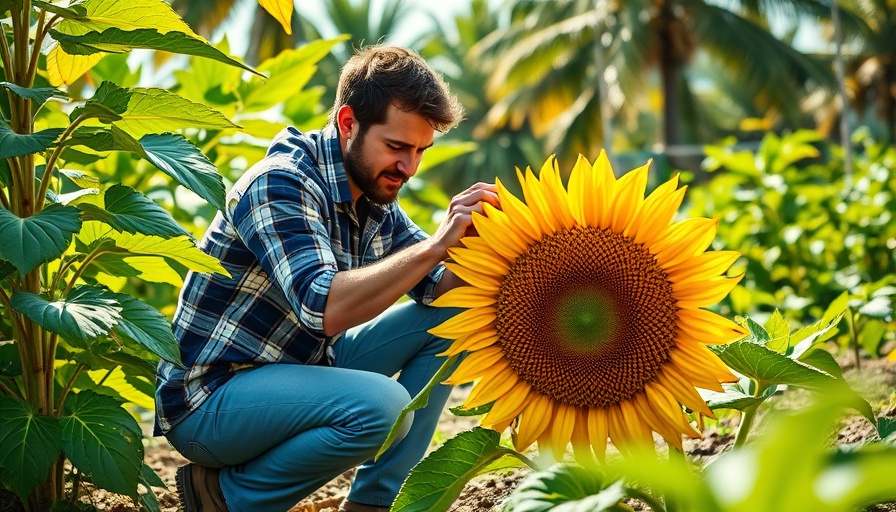
Man harvesting sunflower head in lush garden, Growing Your Own Sunflower Seeds.

The Joy of Growing Your Own Sunflowers

If you’re a resident of Metro Vancouver and have a penchant for gardening, you might find satisfaction in growing your own sunflower seeds. Not only do sunflowers radiate beauty with their vibrant yellow petals, but they also allow you to engage with your surroundings and contribute positively to the urban ecosystem. With a little guidance, even those with limited space can enjoy the benefits of cultivating nature!

In 'I grew my own sunflower seeds...', the focus is on the simple joy and benefits of gardening in urban spaces, which prompted us to expand on these valuable insights for the Metro Vancouver community.

How to Start Your Urban Sunflower Garden

Starting your own sunflower garden requires minimal resources. Sunflowers thrive in well-drained soil, and their seeds can be sown directly in the ground or in pots. For urban gardeners who may have only a small balcony or patio, container gardening is a fantastic option. A pot with dimensions of at least 12 inches in diameter can support a few sunflower seeds, offering a beautiful bloom without taking up much room.

Choosing the Right Sunflower Seeds

When selecting sunflower seeds, you might want to consider varieties such as 'Teddy Bear' for smaller, bushy plants perfect for containers or 'Moulin Rouge' for something more unique. Each type brings different colors and growth styles that can add diverse appeal to your urban garden.

Connecting With Nature in Urban Spaces

Cultivating your own plants has the dual benefit of beautifying your surroundings while providing a mental health boost. Studies show that gardening can reduce stress and enhance mood, making it a great activity for those dwelling in fast-paced cities. Additionally, sunflowers attract local pollinators, creating a vital and functioning mini-ecosystem right outside your window.

Maximizing Small Spaces: Tips for Urban Gardening

For urban gardeners, finding ways to maximize small outdoor spaces is key. Vertical gardening is a valuable technique for making the most of limited square footage. By using wall-mounted planters or even hanging pots, you can create a beautiful display of sunflowers that draws the eye upward and creates a lush atmosphere.

Why You Should Consider Growing Edible Sunflowers

Apart from their aesthetic value, sunflowers can be quite functional. The seeds produced by these flowers are not just for planting; they can also be harvested and enjoyed as nutritious snacks. Homegrown sunflower seeds can be roasted or added to salads and dishes, promoting a zero-waste lifestyle that urban gardeners can embrace.

Let’s Get Gardening!

Ultimately, growing sunflowers in Metro Vancouver is not just about beautifying your space. It’s an opportunity to improve your well-being, support local wildlife, and even enjoy delicious snacks. Whether you have a tiny balcony or a backyard garden, cooking up a little green space for sunflowers can bring joy and a touch of nature into your life. So why not plant some sunflower seeds today and embark on this rewarding horticultural journey?

Gardening Tips

21 Views

0 Comments

Write A Comment

*
*
Please complete the captcha to submit your comment.
Related Posts All Posts
09.25.2026

Growing Your Own Candy: Tips for Metro Vancouver's Small Space Gardeners

Update Gardening in Small Spaces: A Sweet Adventure In the heart of Metro Vancouver, amidst the hustle and bustle of city life, urban gardening has found its niche, transforming balconies, rooftops, and small yards into edible paradises. One innovative approach that has caught the attention of local residents is growing your own candy—yes, you heard that right! Edible gardens that include plants like strawberries and certain varieties of sweet peppers can provide the pleasure of home-grown treats right in your own backyard.In 'I grew my own candy...', the discussion dives into urban gardening, exploring key insights that sparked deeper analysis on our end. Why Grow Your Own Candy? The idea of cultivating your own candy is not just about satisfying a sweet tooth; it's also about reconnecting with nature. Engaging in gardening has numerous benefits: it promotes mental well-being, offers exercise, and creates a sense of accomplishment. Growing edible plants that can sweeten your day brings a unique joy—imagine stepping outside and plucking a ripe strawberry or a sun-kissed cherry tomato to eat fresh off the vine! Simple Steps to Start Your Edible Garden Creating your own candy garden is easier than you might think. Here are some straightforward steps to kick off your gardening journey: Choose a Suitable Space: Look for areas in your home where sunlight greets you with open arms for at least 6-8 hours a day. Select Plants Wisely: Opt for fruits like strawberries, sweet cherry tomatoes, or even edible flowers such as nasturtiums that are colorful and can add a pop to your dishes. Containers are Key: If you have limited space, consider using pots or vertical gardens that allow you to maximize your growing area without occupying much ground space. The Benefits of Vertical Gardening For Metro Vancouver residents with small yards or balconies, vertical gardening is a game-changer. This technique not only saves space but also allows for better airflow around your plants, reducing the risk of diseases. You can use wall-mounted planters, shelves, or even repurpose old pallets to create a stunning vertical garden loaded with vibrant edible plants. A Community Connection Urban gardening is not only an individual pursuit but also a wonderful way to build community. Connecting with neighbors who share similar interests can lead to seed exchanges, gardening tips, and even the joy of sharing your home-grown treats. Local gardening groups in Metro Vancouver often host workshops where you can learn more about urban farming techniques, making it easier for everyone to embark on their own sweet gardening journeys. Taking Your First Steps If you're feeling inspired to start your own candy garden, consider visiting local farmer's markets or garden centers for guidance and great plant choices. And don’t forget to share your progress with your friends and family. The joy of gardening is even sweeter when shared!

09.22.2026

Don’t Buy $6 Plants! Grow 50 in a Milk Jug for Sustainable Gardening

Update Transform Your Living Space with Budget-Friendly Gardening In today's fast-paced urban life, many residents of Metro Vancouver are seeking ways to enhance their small living spaces while being mindful of their budget. One inventive solution lies in the imaginative realm of container gardening, specifically utilizing everyday materials like milk jugs to grow fresh plants at home. This not only fosters a connection with nature but also promotes sustainability and self-sufficiency, essential pillars in today’s eco-conscious society.In 'Don't Buy $6 Plants! Grow 50 in a Milk Jug', the video introduces innovative container gardening techniques, prompting us to explore practical strategies for enhancing small living spaces. Discover the Benefits of Growing Your Own Plants Residents often overlook the numerous advantages of cultivating their own plants, especially in compact living spaces. Homegrown herbs and vegetables can offer significant health benefits, enhancing your diet with fresh, organic produce right at your fingertips. Besides the nutritional perks, growing your own plants can foster a sense of accomplishment and reduce stress levels—a therapeutic remedy many are searching for in their busy lives. Get Started: Steps for Growing Plants in Milk Jugs Utilizing milk jugs to grow plants is a fun and easy DIY project. First, thoroughly clean the milk jug, ensuring no residual substances remain. Cut the jug in half and fill the bottom half with potting soil, leaving some space at the top. Plant your chosen seeds, whether herbs like basil or veggies like tomatoes, and fill the jug with water. Then, cover the top half to maintain moisture and warmth, creating a mini greenhouse effect. Voila! You now have a sustainable gardening practice that can flourish even in limited space. Sustainability meets Style: Why Upcycling Matters Incorporating upcycled materials into your home design is a creative way to enhance aesthetics and embrace eco-friendly practices. By repurposing items such as milk jugs, you not only decrease household waste but also cultivate a personal style that reflects your commitment to sustainability. This approach aligns beautifully with contemporary trends in home design, where resourcefulness and imagination reign supreme. Engaging with Your Local Community As we delve into gardening and sustainability, we must acknowledge the community aspect of these endeavors. Joining local gardening clubs or workshops offers a wealth of knowledge and a platform for sharing experiences. Metro Vancouver residents can exchange tips, plant cuttings, and gardening insights while fostering connections with fellow enthusiasts. It’s an opportunity to combine instant gratification with the social aspect of local production. Reimagining Small Spaces: Practical Tips for Vertical Gardens For residents whose spaces are even more confined, vertical gardening offers a savvy alternative. Utilizing wall-mounted planters, hanging baskets, and tiered shelving can transform a bland wall into a lush, vibrant garden. This approach maximizes limited space while adding a burst of color and life to your surroundings, creating a beautiful indoor oasis. Future Trends in Home Gardening As urban living continues to evolve, the shift towards sustainable, self-sufficient gardening practices is evident. Experts predict a rise in technology-driven gardening solutions, such as smart planters with built-in sensors that monitor soil moisture and nutrients. These innovations can further facilitate the gardening experience, making it accessible and enjoyable for everyone, irrespective of their gardening skills. Final Thoughts: Take Action and Start Your Garden Today! Creating a small garden using recycled materials not only aligns with sustainable living practices but also transforms your space into an edible oasis. Whether you're cultivating herbs on a windowsill or transforming a balcony into a floral retreat, the possibilities are endless. Why wait for the perfect moment? Start your journey towards a greener home today!

09.22.2026

Maximize Your Harvest: Common Grow Bag Mistakes to Avoid

Update Understanding the Basics of Grow Bags for Thriving Gardens For urban gardeners, especially in tight spaces like Metro Vancouver, grow bags represent an innovative solution that optimizes plant growth. Unlike traditional plastic pots, grow bags allow for rapid root development due to their well-aerated structure. However, many enthusiastic gardeners unknowingly make mistakes that hinder their potential harvest. From oversizing pots to misunderstanding soil management, these common pitfalls can impact the yield of homegrown produce.In 'These Grow Bag Mistakes Will Cost You Your Harvest,' the discussion dives into vital tips on optimizing your grow bag gardening. We’re expanding on its key insights with additional perspectives tailored for urban gardeners. Why Size Matters: The First Mistake A prevalent mistake among those new to using grow bags is selecting the wrong size container. When roots encounter the moist, breathable walls of a grow bag, they ideally branch out, creating a strong foundation for the plant. But if the pot is too small, the roots can become cramped, leading to a stunted plant. For instance, using a 5-gallon bag for a fast-growing vegetable may not be sufficient, and as a rule of thumb, opting for a size larger than you usually would leads to a healthier crop that can thrive vigorously. The Importance of Nutrition: Avoiding Fertilizer Mistakes Growing plants successfully in containers such as grow bags greatly hinges on supplying the necessary nutrients. Another typical blunder beginners make is neglecting to fertilize adequately. Unlike garden soil, the nutrient supply in a grow bag is finite. Designers recommend adding organic granular fertilizers at planting and maintaining a balanced schedule to keep plants thriving. Furthermore, when utilizing liquid fertilizers for a quick boost, it's important to understand the frequency needed, as liquid feed typically requires more consistent application than granular options. Watering Wisely: The Secret to Successful Growth Watering is often the trickiest aspect of managing a grow bag garden. Many first-time garden enthusiasts find themselves pouring excessive water, only to see it pour out the bottom, failing to hydrate the soil effectively. Understanding soil types and ensuring the proper watering technique is crucial to avoid those unwelcome dry patches. Mixing materials that retain moisture, such as coconut coir, allows for better hydration and keeps the plants thriving even during the hot months. Climate Adaptation: Tailoring Your Approach The mistakes don’t stop there; gardeners must also consider their local climate. In cases of excessive rainfall, grow bags can help eliminate standing water, while in dry conditions, they require more maintenance and possibly a liner to keep moisture intact. It’s vital to modify growing practices to cater to the local environment for optimal results, and that may involve adjusting watering schedules and soil types based on seasonal changes. Keeping Grow Bags Healthy: Maintenance Tips Another common oversight is improper storage and maintenance of grow bags during the off-season. To maximize the lifespan of your containers, ensure they’re cleaned, dried, and stored properly. If you live in a northern climate with potential freezing temperatures, ensure that the bags don’t remain wet when stored or they risk tearing. An effective way to revitalize your grow bags is to mix in organic compost every season, enhancing soil quality for renewed growth. In conclusion, while grow bags can significantly enhance your gardening experience, avoiding these common mistakes is crucial for achieving that bountiful harvest you desire. Whether you are craving fresh herbs or wanting to try your hand at growing tomatoes, understanding your grow bag's nuances guarantees a thriving garden. If you’re excited to dive into gardening with practical insights, we encourage you to explore various gardening resources and communities. Discover tips tailored specifically for small spaces to cultivate lush greenery right outside your door!

About This Site

This Metro Vancouver Urban Oasis blog and resource site will focus on urban gardening and small-space living solutions tailored for Metro Vancouver homes and residents. Our content will provide practical, space-saving gardening tips, landscaping, and interior design advice, catering to city dwellers with limited space but a passion for enhancing their indoor and outdoor environments.

COMPANY

  • Privacy Policy
  • Terms of Use
  • Advertise
  • Contact Us
  • Menu 5
  • Menu 6

6048250431

AVAILABLE FROM 8AM - 5PM

Surrey, BC

, ,

ABOUT US

We differentiate ourselves by offering hyper-localized content that addresses the specific climate, space constraints, and lifestyle of Metro Vancouver residents. Our expert advice on vertical gardening, balcony transformations, and indoor plant care sets us apart from broader home and garden media.

© 2026 CompanyName All Rights Reserved. Address . Contact Us . Terms of Service . Privacy Policy

Terms of Service

Privacy Policy

Core Modal Title

Sorry, no results found

You Might Find These Articles Interesting

T
Please Check Your Email
We Will Be Following Up Shortly
*
*
*