
cropper

VancouverUrbanOasis

  • Home
  • Categories
    • Vertical Gardens
    • Balcony Bliss
    • Indoor Oasis
    • Seasonal Tips
    • Expert Insights
    • Eco Living
    • Small Yard Transformations
    • Kitchen & Bath
    • BC Home Trends
    • Budget DIY Projects
    • Edible Gardens
  • Gardening Tips
  • Featured Business
May 17.2025
3 Minutes Read

Discover the Best Indoor Succulents Perfect for Your Metro Vancouver Space

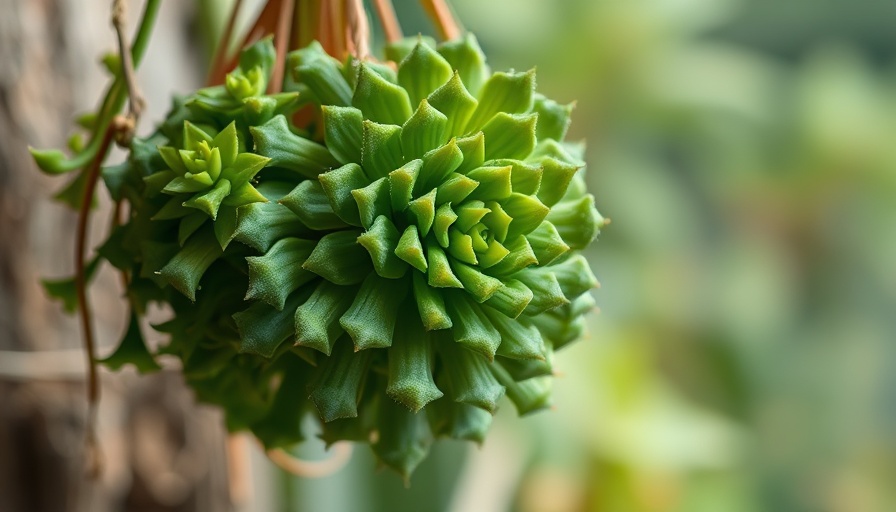
Close-up of hanging succulent leaves, best indoor succulents for growing at home.

The Best Indoor Succulents for Your Space

If you’re a Metro Vancouver resident looking to create a lush, welcoming environment in your home or on your balcony, indoor succulents might be the perfect choice. These resilient plants not only add beauty to your space but also require minimal care and maintenance. Let’s explore some of the best indoor succulents to grow—ideal for both beginner plant parents and seasoned gardeners!

In 'Best Indoor Succulents to Grow at Home,' the video highlights key succulents that are perfect for beginners, opening up a dialogue about the best options for indoor gardening in urban spaces.

Aloe Vera: The Healing Wonder

Aloe Vera is more than just a pretty plant. Known for its healing properties, this succulent thrives in bright light and requires very little water. Its leaves store moisture, making it resilient to periods of neglect. Not only does it thrive indoors, but it can also complement your decor while providing health benefits—all in one!

Haworthia: The Mini Zebra Plant

Next up is Haworthia, affectionately known as the 'mini zebra plant.' Its striking leaves with unique patterns make it a standout choice for those who appreciate aesthetics. This succulent can survive in low light, growing slowly over time, making it perfect for small, cozy spaces where other plants might struggle.

Jade Plant: A Classic with Good Luck Charm

The jade plant is a traditional favorite that symbolizes good fortune and prosperity. With its thick, fleshy leaves and tree-like structure, it grows wonderfully in pots on desks or bookshelves. Its resilience makes it a favorite for balcony bliss setups, as it flourishes with minimal effort!

Snake Plant: The Air Purifier

Technically also a succulent, the snake plant is perfect for novice green thumbs. Its tall, sleek leaves add an air of elegance to any room. Apart from being easy to care for, it’s known for its air-purifying qualities—making it an excellent choice for homes and apartments with limited airflow.

Burrito Plant: The Unique Trailing Option

The burrito plant, with its beautiful trailing stems that resemble braids, adds texture and charm to any indoor space. Just hang this succulent in a sunny spot, and you won’t need to worry much about caring for it. It’s perfect for those who want a low-maintenance plant that still brings life to their home.

Panda Plant: The Adorable Fuzzy Companion

If you’re searching for something a little different, consider the panda plant. Its fuzzy leaves are not only adorable but also make it a wonderful indoor plant suitable for small pots. This succulent delights in indirect sunlight and—much like its companions—demands little more than the occasional drink of water.

Creating Your Indoor Oasis

These succulents don’t just enhance your indoor space; they also contribute to a vibrant home atmosphere. With just a bit of light, love, and water, you can cultivate an inviting environment right in your home. Whether you live in a compact apartment or have a spacious balcony, these plants are versatile enough to thrive anywhere.

To maximize your indoor garden aesthetic, consider mixing and matching various succulents in decorative pots or installation features that draw your eye. This is a wonderful way to express your personality while contributing positively to your surroundings.

Balcony Bliss

13 Views

0 Comments

Write A Comment

*
*
Please complete the captcha to submit your comment.
Related Posts All Posts
07.17.2026

Discover the Amazing Benefits of Rice Water for Thriving Plants

Update Unlocking the Hidden Potential of Rice Water for Your Plants Every day, we toss away a valuable resource right down the drain—the water leftover from rinsing our rice. Little did we know that this murky liquid, often perceived as kitchen waste, could be a gardener’s secret weapon. Across Asia, this ‘rice water’ has been nurturing gardens to vibrant health, and now, Metro Vancouver residents can join in on this sustainable gardening secret.In '14 Amazing Benefits of Rice Water for Plants | Make Plants Grow Faster Naturally', the discussion dives into the incredible advantages of utilizing rice water in gardening, prompting further exploration of its impact on urban plant care. The Nutrition Boost That Makes a Difference Rice water is rich in essential nutrients like nitrogen, phosphorus, and potassium, creating an ideal all-in-one feeding solution for your plants. When used effectively, these nutrients help promote lush foliage and robust flowers without the risk of burning roots. For those tending to plants on their balconies, this gentle nutrient support is especially crucial. Transform Your Balcony into a Green Oasis Imagine your balcony filled with thriving plants like lush pothos, vibrant geraniums, and stunning hibiscus plants. The beauty of rice water is that it benefits a wide variety of plants. Whether you’re nurturing delicate orchids or robust tomato plants, rice water can cater to your urban jungle's diverse needs. It promotes accelerated growth and blooming while making the soil hospitable for beneficial microbes. Boosting Growth with Fermented Rice Water For those seeking an extra edge, fermented rice water is a nutrient powerhouse. Left to sit for a day or two, this ‘liquid gold’ develops a rich microbial community that actively boosts growth in even the most stubborn plants. In the heart of bustling Metro Vancouver, where space is often limited, employing this method can yield impressive results—more fruit on chili plants, quicker sprouting marigolds, and healthier root systems for money plants. Easy Steps to Incorporate Rice Water into Your Routine Using rice water in your gardening routine is simple. First, rinse your rice as usual and keep the starchy water. This can be diluted with fresh water before pouring onto your plants. Aim for a ratio of one part rice water to three parts water to ensure it’s safe for even the most sensitive green friends. By doing this, you’re not just helping your plants thrive—you’re also reducing waste and embracing eco-living principles. Every Drop Counts: Why You Should Embrace Rice Water The benefits of using rice water for plants are multifaceted. In addition to boosting growth, it fosters nutrient-rich soil, ensuring your plants get the nourishment they need while conserving resources. This sustainable practice can significantly enhance your gardening experience and foster a sense of community among local growers. As you experiment with rice water, take note of the changes in your plants. Whether it’s a bountiful harvest of tomatoes or vibrant, blooming flowers, the results can be astonishing! By making this small adjustment, you’re choosing a greener path in urban gardening while maximizing your balcony space. Practical Tips for Urban Gardeners For those navigating the pressures of urban living in Metro Vancouver, adopting simple, eco-friendly gardening practices can yield immense benefits. Rice water not only aids in plant health but also encourages sustainable waste practices. Start by introducing this method to just one plant and watch as your gardening skills flourish along with your green companions. Remember, every drop of rice water counts in nurturing both your garden and the environment.

07.14.2026

Unlock the Secrets of Chaos Gardens: 20 Seeds for Balcony Bliss

Update Embracing the Chaos: The Allure of Messy Gardens Across gardens worldwide, a fascinating trend is emerging that flips traditional gardening beliefs on their head. While many of us are trained to plan our gardens down to the last seed, seasoned gardeners are opting for a seemingly chaotic approach: they’re scattering seeds across bare patches of soil without a detailed roadmap. These so-called chaos gardens are richer in biodiversity and health, flourishing with life in a way that meticulously planned gardens often cannot match. Curious how this shift in gardening philosophy can transform your balcony space? Let’s dive into the allure of the chaos garden and discover the top seeds to sprinkle into your outdoor oasis.In 'The Chaos Garden Secret | 20 Seeds to Scatter Right Now', the discussion dives into the fascinating trend of chaos gardening, exploring key insights that sparked deeper analysis on our end. What is a Chaos Garden? A chaos garden allows nature to take the lead, creating a lush tapestry of plants that coalesce into a vibrant ecosystem. This philosophy stands against conventional gardening practices that emphasize neat rows, strict planting schedules, and heavy maintenance. The essence of a chaos garden is about embracing spontaneity; it emphasizes filling your garden with a variety of plants that, together, support and sustain one another. Why Choose a Chaos Garden in Your Balcony Space? For Metro Vancouver residents looking to maximize their balcony space, adopting a chaos garden can turn your outdoor area into a flourishing hideaway. This ecological approach not only enhances the visual appeal but also attracts pollinators such as bees and butterflies, which are essential for a healthy ecosystem. Additionally, less time spent on meticulous maintenance means more time enjoying the bounties of nature right outside your door. Top 20 Seeds for Your Chaos Garden Ready to sprinkle some seeds? Here are a few popular choices that thrive in a chaotic gardening environment while also being well-suited for small spaces like balconies: Cosmos: These airy beauties grow quickly and thrive in poor soil, spreading life and vibrancy within weeks. Zinnias: Adding a palette of abundant colors, zinnias bloom continuously and attract butterflies—perfect for a lively balcony atmosphere. Sunflowers: With varieties ranging from tall to short, they offer structure and beauty while feeding birds when blooms fade. Chundula: Known for its dual use as a soothing herb, it self-seeds, allowing your garden to evolve organically. Nasturtiums: Edible and pest-repelling, these blooms can sprawl charmingly across your balcony, making them both functional and beautiful. California Poppies: Vibrant and hardy, they need little water and thrive in sunlight, returning year after year. Marigolds: These resilient flowers deter pests and deliver a cheerful glow through hot summers. Borage: Renowned for its bee-attracting abilities, borage also brings a unique texture with star-shaped flowers. Purple Coneflowers: Hardy and long-blooming, they are known for attracting beneficial insects. Wildflower Mixes: A mix offers spontaneity and allows nature to create your garden’s unique design. With these seeds, you can create your own welcoming patch of beauty, right in your balcony space, where the idea is not to control but to embrace the natural flow. Embracing the Unexpected Planting a chaos garden isn’t just about scattering seeds; it’s about letting nature surprise you. Each season brings different blooms and unexpected colors that can rejuvenate your gardening experience. Picture a once-bare balcony transforming into a lively haven with buzzing bees, fluttering butterflies, and the warm scent of blooming flowers. Such connections to nature can rejuvenate your spirit—truly, magic lies in letting go. Final Thoughts: Your Balcony Bliss Awaits! Transforming your balcony into a chaos garden allows you to enjoy a low-maintenance yet stunning retreat from city life. Not only do these gardens enhance biodiversity, but they also contribute to a healthier urban ecosystem. So why wait? Grab some seeds and start your own chaos garden today! The most beautiful gardens arise not from control, but from freedom and curiosity.

07.11.2026

Transform Your Balcony with NASA's Insights on Adaptable Plants

Update Unlocking the Secrets: NASA's Hidden Plant Studies In an intriguing exploration of how plants can adapt to the extraterrestrial environment, NASA conducted extensive studies on various plants. While these findings gained momentary attention, the insights gleaned from these studies have significant implications for the urban gardening community, particularly for those dwelling in space-limited areas like Metro Vancouver. Understanding which plants can thrive in challenging conditions could provide local gardeners invaluable inspiration for balcony gardening.In 'NASA Studied These 9 Plants — Then Nobody Talked About It,' the discussion dives into the implications of NASA's plant research for urban gardeners, prompting us to explore how this knowledge can enrich our balcony gardening efforts. Bringing NASA's Findings to Your Balcony Among the nine plants NASA studied were some common favorites among urban gardeners. These include lettuce, radishes, and zinnias, which not only offer aesthetic appeal but also provide edible yield. If space is a premium, these options are perfect for balcony bliss. Additionally, their resilience highlighted in NASA's experiments indicates that greens can thrive in diverse and sometimes adverse conditions. It shows us that with a little creativity, even a modest balcony can transform into a productive garden. The Eco-Friendly Angle: Sustainable Gardening Embracing the practices suggested by NASA's studies can also enhance sustainable gardening efforts. As residents of Metro Vancouver, adopting eco-friendly techniques such as vertical gardening can maximize space while minimizing environmental impact. Utilizing leftover materials, such as pallets or plastic bottles for these vertical gardens, not only beautifies your area but helps reduce waste. Creating a Vibrant Urban Oasis A vibrant urban oasis is achievable with just a few thoughtful steps. Studies show that immersing yourself in greenery can enhance mental well-being, making it the ideal home remedy for stress and anxiety. Adding various layers of plants, including trailing varieties like strawberries or creeping thyme, creates an inviting space. Plus, they draw on the research behind growing plants to promote relaxation and connection with nature, creating an oasis right outside your door. Your Balcony Can Bloom: Local Resources and Tips Take advantage of local communities in Metro Vancouver dedicated to gardening. They often host share-and-learn events, where enthusiasts share their experiences, lessons learned, and helpful gardening techniques tailored to the Pacific Northwest climate. Local nurseries also provide valuable information regarding the best plant varieties suitable for your balcony. Ultimately, while NASA’s investigation into the adaptability of plants in space might seem distant from our urban balcony gardening, its implications resonate locally. By understanding which plants can endure diverse conditions, Metro Vancouver residents can embark on rewarding gardening experiences. Turn your small balcony into a flourishing green space and invite happiness into your home.

About This Site

This Metro Vancouver Urban Oasis blog and resource site will focus on urban gardening and small-space living solutions tailored for Metro Vancouver homes and residents. Our content will provide practical, space-saving gardening tips, landscaping, and interior design advice, catering to city dwellers with limited space but a passion for enhancing their indoor and outdoor environments.

COMPANY

  • Privacy Policy
  • Terms of Use
  • Advertise
  • Contact Us
  • Menu 5
  • Menu 6

6048250431

AVAILABLE FROM 8AM - 5PM

Surrey, BC

, ,

ABOUT US

We differentiate ourselves by offering hyper-localized content that addresses the specific climate, space constraints, and lifestyle of Metro Vancouver residents. Our expert advice on vertical gardening, balcony transformations, and indoor plant care sets us apart from broader home and garden media.

© 2025 CompanyName All Rights Reserved. Address . Contact Us . Terms of Service . Privacy Policy

Terms of Service

Privacy Policy

Core Modal Title

Sorry, no results found

You Might Find These Articles Interesting

T
Please Check Your Email
We Will Be Following Up Shortly
*
*
*