
cropper

VancouverUrbanOasis

  • Home
  • Categories
    • Vertical Gardens
    • Balcony Bliss
    • Indoor Oasis
    • Seasonal Tips
    • Expert Insights
    • Eco Living
    • Small Yard Transformations
    • Kitchen & Bath
    • BC Home Trends
    • Budget DIY Projects
    • Edible Gardens
  • Gardening Tips
  • Featured Business
April 29.2025
3 Minutes Read

How to Successfully Set Up a Stackable Garden for Fresh Food

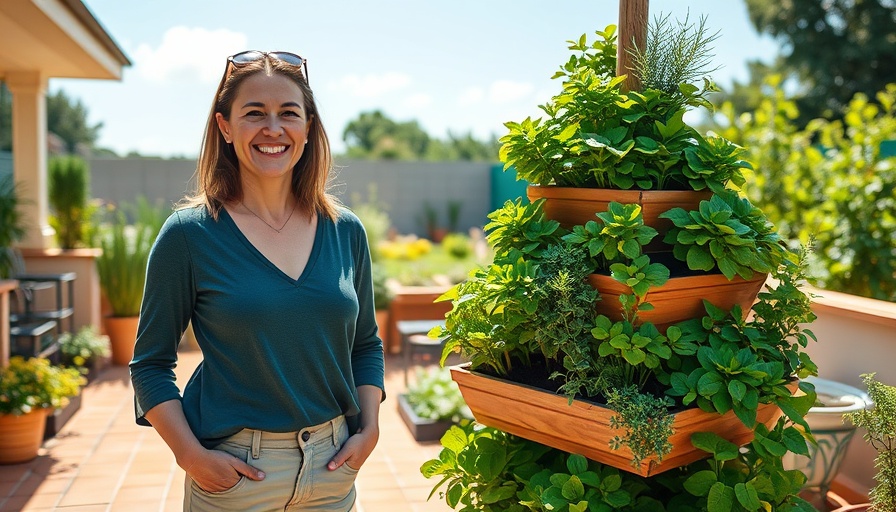
Smiling woman with stackable garden on a sunny patio.

Transform Your Space with Stackable Gardening

In a world where urban living often means limited space, the idea of growing your own food may seem daunting yet exhilarating. With innovations like the stackable garden—an efficient vertical gardening solution—you can cultivate fresh greens right in your own home, even if you're living in a compact apartment. This method not only maximizes your planting potential but also allows you to enjoy the rewarding experience of nurturing your own plants.

In 'Watch This Stackable Garden Come To Life In Minutes!', the video showcases an engaging process of setting up a stackable garden, inspiring a deeper exploration of its benefits and practical tips.

Step-by-Step Guide to Setting Up Your Stackable Garden

Setting up a stackable garden is simpler than it seems! The process begins with gathering essential materials, such as quality soil and seedlings. For this guide, we’ll focus on a popular option: the Green Stock Planter, which can hold several cubic feet of soil divided across multiple tiers.

**1. Gather Your Materials**: Start with bags of quality organic soil—Miracle Grow’s raised bed soil works well. You’ll need enough for each tier, so plan accordingly. Then, gather your desired seedlings. Favorite choices include spinach, various lettuces, herbs like oregano and cilantro, and even root vegetables such as celery and scallions.

**2. Fill the Planter**: Once you’ve stacked tiers, fill each with your soil mix, allowing room to plant your seedlings. Layering different types of plants can create a visually appealing garden while ensuring you have a variety of fresh produce.

**3. Plant Your Seedlings**: Carefully place your plants in their designated spots—some may thrive better together. For instance, lettuce can be harvested at the outer leaves, giving you a constant supply as the plant regrows. Consider adding herbs on the top tiers, which can provide shade and nutrients for the plants below.

Variety is Key: Choosing the Right Plants

When creating your stackable garden, select a mix of plants that grow well together. Here are a few combinations that work harmoniously:

  • **Lettuce & Herbs**: Fast-growing lettuce varieties, like Tegan lettuce, pair beautifully with herbs, allowing you to create flavorful salads.
  • **Celery & Scallions**: Both of these can thrive in similar conditions, providing essential ingredients for various dishes.
  • **Swiss Chard & Fennel**: As the warm months approach and your lettuce begins to bolt, Swiss chard can take over as a delicious leafy green.

Harvesting and Maintaining Your Garden

Once you've successfully planted your garden, it's important to maintain it. Regular watering and monitoring for pests will ensure your plants thrive. The beauty of a stackable garden is that harvesting can still be conducted with ease. For lettuce and other leafy greens, harvest the outer leaves while allowing the inner ones to grow, thus creating an ongoing source of fresh salads.

The Benefits of Home Gardening in Metro Vancouver

Urban gardening not only contributes to environmental sustainability by reducing your carbon footprint—these small home initiatives also lead to healthier lifestyles. Growing your own food allows you to consume fresh, pesticide-free produce and can even contribute to your mental well-being through the simple joys of gardening.

In Metro Vancouver, with access to incredible growing conditions, more residents are discovering the joys and practicality of urban gardening. Whether you're using a balcony, small yard, or even your indoor space, stackable gardens are a creative solution to maximize growth in limited areas.

If you’ve been inspired to cultivate your own stackable garden, don’t hesitate—start planning your garden today! With the right tools and guidance, anyone can transform a limited space into a thriving source of fresh produce. So roll up your sleeves and discover the joy of home gardening!

Edible Gardens

19 Views

0 Comments

Write A Comment

*
*
Please complete the captcha to submit your comment.
Related Posts All Posts
09.08.2026

How to Transform Your Space with Edible Gardening: Blueberries & Eggplants

Update Rediscovering the Simple Joys of Homegrown Food In today’s fast-paced world, where convenience often overshadows sustainability, there’s a growing desire among Metro Vancouver residents to reconnect with the land. The recent video, "Harvesting Blueberries & Eggplants: The Quiet Joy of Simple Food," encapsulates this sentiment perfectly. It highlights the wholesome experience of harvesting fresh produce, particularly blueberries and eggplants, right from one’s own small garden or balcony.In "Harvesting Blueberries & Eggplants: The Quiet Joy of Simple Food," the video highlights the delights of cultivating your own garden, prompting us to explore the benefits and practicality of edible gardening in urban settings. Why Grow Your Own Food? The act of growing your own food offers numerous benefits. Not only does it provide a reliable source of fresh ingredients, but it also allows for a greater connection to nature. Imagine stepping outside to gather ripe blueberries or plump eggplants, knowing they’ve been nurtured by your own hands. This practice can transform urban living spaces into lush mini-oases. The Benefits of Edible Gardening in Small Spaces For residents of Metro Vancouver, where space can be a luxury, edible gardening can be remarkably fulfilling and practical. Utilizing vertical gardens or container gardening techniques enables individuals to maximize their small yards or even balconies. Imagine fresh herbs within arm's reach while cooking; it not only enhances flavors but also adds an aesthetic touch to your kitchen. Additionally, growing food can reduce grocery bills while promoting a sustainable lifestyle. It's a step towards lowering one’s carbon footprint, as you’re producing food locally, cutting out the transportation costs associated with store-bought items. Practical Tips for Growing Blueberries and Eggplants Getting started with your own edible garden doesn’t have to feel overwhelming. Here are some practical tips for growing blueberries and eggplants: Choose the Right Location: Both blueberries and eggplants thrive in sunny spots. Aim for at least 6-8 hours of sunlight a day. Soil Matters: Blueberries prefer acidic soil, while eggplants do well in nutrient-rich, well-drained soil. Regular Watering: Ensure consistent watering to keep the plants hydrated, particularly during hot weather. Pollination: While blueberries self-pollinate, planting multiple bushes can improve yield. Eggplants will benefit from gentle shaking or manual pollination, especially if your plants are indoors or on a balcony. The Emotional Benefits of Gardening Aside from the ecological and financial advantages, growing your own food can significantly enhance mental well-being. Engaging in gardening has been shown to reduce stress and anxiety. The physical activity alone can boost endorphins, while the quiet moments spent tending to plants foster mindfulness and reflection. The experience of harvesting can also evoke feelings of accomplishment and joy. It creates a direct connection to the cycles of nature, reminding us of the beauty in nurturing and patience. Final Thoughts: The Future of Urban Gardening As cities expand and arable land decreases, embracing small-scale, sustainable practices like gardening will be increasingly critical. Every small effort contributes to a larger initiative of promoting green living within urban environments. In a place like Metro Vancouver, where nature is just a stone's throw away, harnessing the potential of your living space can create not just an edible oasis but also a deeper appreciation for the cycles of food and life. Whether you're considering a balcony oasis filled with herbs or a small garden brimming with juicy blueberries and vibrant eggplants, the joy of simple food awaits at your doorstep. By immersing yourself in the wonders of home gardening, you become part of a sustainable movement that celebrates both individuality and community. Feeling inspired? It’s time to turn your indoor or outdoor space into a flourishing edible garden. Explore different gardening methods, and don’t hesitate to reach out to local gardening communities for support and inspiration!

08.26.2026

Discovering the Challenges of Urban Chicken Farming in Metro Vancouver

Update Why Raising Chickens Is More Complicated Than It Seems Many city-dwellers, especially those in urban areas like Metro Vancouver, are drawn to the idea of raising chickens, envisioning fresh eggs and a deeper connection to their food. However, as expressed in the video I thought raising chickens was easy..., embarking on this backyard adventure can be full of unexpected challenges. This article delves into what it truly means to raise chickens in small spaces and offers practical tips for aspiring urban farmers.In the video I thought raising chickens was easy..., the discussion touches on the complexities of chicken farming, prompting us to dive deeper into this relatable urban gardening issue. Lessons Learned: The Reality of Urban Chicken Farming In the initial excitement of chicken farming, many overlook crucial factors such as local regulations, coop design, and bird health. Proper space is essential—not just for the chickens themselves but also for maintaining cleanliness and ensuring the well-being of neighbors. For instance, a cramped coop can lead to stress among hens, resulting in fewer eggs and potential behavioral issues. Benefits of Backyard Chickens Despite the challenges, the rewards of keeping chickens extend beyond just fresh eggs. Chickens can help with pest control, contribute to soil health through their manure, and serve as engaging pets. They also promote sustainable living, encouraging individuals to consider the source of their food. Metro Vancouver residents can significantly benefit from integrating chicken farming into their urban gardens. Key Considerations for Chicken Raising Understanding the requirements and responsibilities involved in chicken husbandry can make the journey more enjoyable. Here are a few essential considerations: Space and Housing: Ensure that your coop provides enough room for the chickens to roam and access sunlight. A well-ventilated and secure coop protects them from predators and harsh weather. Local Regulations: Always check local laws regarding livestock keeping in your area. Some municipalities have restrictions on the number and types of animals residents can keep. Nutrition and Health: Providing a balanced diet is crucial for your flock's health. Regularly monitoring their health and ensuring access to fresh water will keep your chickens thriving. Communal Benefits of Urban Chicken Raising Raising chickens in urban settings can foster community ties. Backyard flocks often lead to discussions among neighbors about sustainable practices and gardening techniques. Moreover, sharing excess eggs can strengthen neighborhood relationships, turning farming into a social experience. Getting Started: Tips for Success If you're ready to dive into the world of urban chicken raising, these actionable insights can pave the way for a successful start: Start Small: Begin with a few hens to manage the learning curve. Join Local Workshops: Engage with local agricultural societies or online courses to learn from experienced urban farmers. Utilize Vertical Space: In small backyards, consider vertical gardening techniques to maximize your growing area while leaving room for chickens. By approaching chicken farming with the right knowledge and a realistic perspective, you can enjoy the many benefits while minimizing frustrations. Ready to take the plunge into urban chicken farming? Start planning your chicken coop and connect with your local community to discover resources that can aid you in this exciting journey. Happy farming!

08.01.2026

Unlock the Secrets of Small Space Gardening: A Guide for Metro Vancouver Residents

Update Experience the Joy of Small Space Gardening In a world where urban living often means limited space, the joy of nurturing a vibrant garden can seem out of reach. However, small space gardening, particularly in urban settings like Metro Vancouver, is not just feasible but immensely rewarding! Drawing inspiration from the video I wish every harvest looked like this..., we delve into how you can secure a bountiful harvest even in the smallest of areas.In the video I wish every harvest looked like this..., the discussion showcases the magic of small space gardening, exploring key insights that sparked deeper analysis on how we can garden successfully in urban settings. Transforming Your Urban Space Into An Edible Oasis Imagine transforming your balcony, patio, or even windowsill into a flourishing garden. The video captures the essence of lush harvests that can emerge from limited spaces, showcasing innovative methods to maximize yield. Things like container gardening or vertical gardens can enable you to grow everything from herbs to tomatoes, all while enjoying the benefits of nature right at home. Why Gardening Is More Than Just Growing Food Gardening in small spaces offers more than simply a food source; it delivers a connection to nature that urban dwellers often crave. Engaging in gardening can enhance mental well-being, reduce stress, and foster a sense of community as neighbors exchange tips and produce. The act of watching plants grow brings a sense of accomplishment, especially when you see the fruits of your labor come to life! Tools and Techniques for Successful Small Space Gardening To embark on your small space gardening journey, a few simple tools can make a huge difference. Invest in containers that suit your aesthetic and space requirements, and consider vertical planters that take advantage of upward space. Additionally, utilizing self-watering pots can ease the burden of maintaining moisture levels. The smart use of composting can improve your soil quality, ensuring your plants thrive and yield plentiful harvests. Building Community through Gardening As you cultivate your small garden, remember the community aspect of gardening. Sharing your successes, seeking advice from fellow gardeners, or even participating in a local urban gardening group can enhance your experience. It’s rewarding to share your bountiful harvests with friends, family, or neighbors, creating connections and fostering a sense of togetherness in your community. Gardening may seem daunting to some urban dwellers, but it is, in fact, an incredibly rewarding venture, opening a door to sustainability and joy. So take a page from the video I wish every harvest looked like this... and start your small garden journey today!

About This Site

This Metro Vancouver Urban Oasis blog and resource site will focus on urban gardening and small-space living solutions tailored for Metro Vancouver homes and residents. Our content will provide practical, space-saving gardening tips, landscaping, and interior design advice, catering to city dwellers with limited space but a passion for enhancing their indoor and outdoor environments.

COMPANY

  • Privacy Policy
  • Terms of Use
  • Advertise
  • Contact Us
  • Menu 5
  • Menu 6

6048250431

AVAILABLE FROM 8AM - 5PM

Surrey, BC

, ,

ABOUT US

We differentiate ourselves by offering hyper-localized content that addresses the specific climate, space constraints, and lifestyle of Metro Vancouver residents. Our expert advice on vertical gardening, balcony transformations, and indoor plant care sets us apart from broader home and garden media.

© 2026 CompanyName All Rights Reserved. Address . Contact Us . Terms of Service . Privacy Policy

Terms of Service

Privacy Policy

Core Modal Title

Sorry, no results found

You Might Find These Articles Interesting

T
Please Check Your Email
We Will Be Following Up Shortly
*
*
*