
cropper
update

VancouverUrbanOasis

update
  • Home
  • Categories
    • Vertical Gardens
    • Balcony Bliss
    • Indoor Oasis
    • Seasonal Tips
    • Expert Insights
    • Eco Living
    • Small Yard Transformations
    • Kitchen & Bath
    • BC Home Trends
    • Budget DIY Projects
    • Edible Gardens
  • Gardening Tips
  • Featured Business
June 30.2025
4 Minutes Read

Maximize Your Garden’s Beauty With Fall-Blooming Perennials

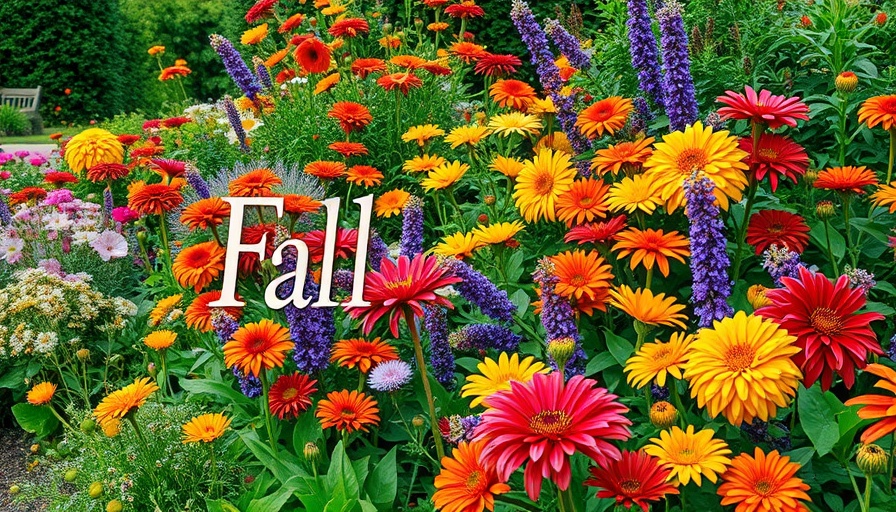
Vibrant fall blooming perennials garden scene.

Revitalizing Your Garden: The Perennials of Fall

As summer bids farewell, many might believe their garden is destined for dormancy. However, the vibrant world of fall-blooming perennials proves otherwise! In fact, these enchanting plants bring colorful life and bustling activity right into late autumn. This article explores ten remarkable perennials that will keep your Metro Vancouver garden glowing even as cooler weather descends.

In 10 Fall-Blooming Perennials for Gardens That Wow Until Frost, the discussion dives into essential blooms that can keep your garden vibrant through the autumn months, exploring key insights that sparked deeper analysis on our end.

1. Astounding Asters: The Fireworks of Fall

Asters are emblematic of autumn, showcasing bold purple, pink, and white blooms that turn heads amidst fading summer colors. These daisy-like flowers thrive in full sun and well-drained soils, making them a delightful addition to any garden patch. Not only do they brighten up your outdoor space, but they also attract essential pollinators like bees, buzzing around the flowers even during crisp September mornings.

2. Sedum Autumn Joy: Low-Maintenance Drama

If you’re looking for stunning visuals with minimal effort, Sedum Autumn Joy is your go-to perennial. Starting as green, this succulent-like beauty transforms into stunning hues of pink and rich russet by fall. Not only is Sedum drought-tolerant, but it also holds up gracefully against frosts, providing year-round texture and appeal.

3. Japanese Anemones: Graceful Serenity

For those looking to inject calm elegance into their fall gardens, Japanese anemones flutter gently above the foliage on their slender stems, blooming in soft hues of pink and white. Ideal for shaded areas, these perennials prefer rich, moist soil and offer a serene beauty that captivates, encouraging patience as they settle in before dazzling in subsequent years.

4. Radiant Rudbeckia: The Cheerful Sunflowers

Rudbeckia, or black-eyed Susans, are reminiscent of cheerful summer days, with golden yellow petals radiating warmth from midsummer into fall. Known for their toughness, these sun-loving flowers adapt to heat and drought, becoming a staple for those with low-maintenance gardening preferences. They naturally return every year, creating enduring blooms for minimal upkeep.

5. Toad Lilies: Exquisite Surprises for Shade

Offering orchid-like blooms in speckled purples and blues, toad lilies are a graceful addition to shaded areas of your garden. Preferring rich, moist soil, these captivating plants flourish in cooler fall temperatures, and their exotic blooms serve as delightful surprises when other flowers have retreated.

6. Helenium: A Fiery Floral Display

Known for their vibrant orange, red, and yellow hues, Helenium flowers command attention in any garden. Their sunny disposition complements the cooler season perfectly, and they attract butterflies and bees, enriching your garden’s ecosystem. With regular pruning in early summer, these beauties reward you with a dynamic late-season show.

7. Resilient Mums: The Late Garden Show

When thinking of fall perennials, mums are iconic. However, it’s essential to seek hearty garden varieties instead of grocery store options. Once planted in sunny spots and pinched back early in the season, these offerings burst forth in an explosion of colors just as summer blooms fade, ensuring your garden maintains its lively spirit through fall.

8. Charming Turtle Head: A Quirky Delight

Turtle head perennials, with their charming snapdragon-like blooms, provide a unique touch to late-season shade gardens. Thriving in moist soils and partial shade, they attract bumblebees, making them a favorite among pollinators. Their ability to provide reliable color when other plants fade makes them a standout choice for diverse garden designs.

9. Maque Daisy: The Late Blooming Classic

The maque daisy is a delightful late bloomer that brings classic white flowers to your landscape well past summer. Thriving in sandy soil and full sun, this perennial is perfect for borders or coastal gardens, contributing a crisp contrast that holds steady into October. With a little early summer pruning, the daisy can flourish and become a reliable companion.

10. Boltonia: Soft Floral Clouds

Often referred to as false aster, boltonia creates a stunning ‘cloud’ effect in late summer and through fall. With a penchant for poor soil under full sun, these tall perennials bestow grace upon your garden with their airy white or pale lavender blooms. They deliver eye-catching visuals that continue to thrive amidst fading landscapes.

Encourage Your Garden to Shine Even in Autumn

Don’t let the end of summer discourage your gardening spirit! Integrating fall-blooming perennials into your outdoor spaces allows for colorful life that lingers even as the weather grows cooler. As you prepare for the new season, consider adding a few of the above plants to your garden to ensure a tapestry of colors that can be enjoyed until the frost rolls in.

Want to learn more about selecting the best plants for your Metro Vancouver garden? Embrace the endless possibilities that these fall perennials bring to life! Your garden could thrive and provide breathtaking views throughout the seasons.

Seasonal Tips

30 Views

0 Comments

Write A Comment

*
*
Please complete the captcha to submit your comment.
Related Posts All Posts
05.12.2026

Building Your Outdoor Kitchen in Vancouver: Costs, Materials, and Mistakes to Avoid

Update Outdoor Kitchens: The Perfect Vancouver Addition Outdoor kitchens have emerged as a transformative trend for Vancouver residents keen on maximizing their backyard experience. With a growing appreciation for al fresco living, many homeowners are investing in these functional spaces. Not only do they enhance property value, but they also create an inviting setting for entertaining family and friends. If you're contemplating an outdoor kitchen, it’s essential to understand the costs, materials, and common pitfalls to avoid. The Costs of Building an Outdoor Kitchen When budgeting for your outdoor kitchen, factors such as size, layout, and materials significantly influence overall costs. Simple setups can start around $3,000, but a fully equipped outdoor kitchen, including appliances and countertops, can easily top $10,000. As a Vancouver homeowner, consider the benefits of high-quality materials that stand the test of time, especially given our unique climate. Choosing the Right Materials for Durability and Aesthetics Material selection is crucial for both durability and aesthetic appeal. Stainless steel is a popular choice for appliances due to its resistance to rust, while natural stone and brick can create a timeless look that withstands the elements. Additionally, local woods like cedar or reclaimed timber can add a beautiful natural touch while blending seamlessly with the Vancouver landscape. Avoiding Costly Mistakes When Planning One mistake many homeowners make is underestimating the importance of utilities. Ensure that your outdoor kitchen is equipped with proper gas, electric, and water lines, ideally installed before any construction begins. Additionally, poorly planned layouts can lead to cramped spaces. It’s advisable to consult with local experts to ensure your design maximizes both utility and space. Local Insights: Enhancing Your Outdoor Kitchen with Seasonal Plantings To beautifully frame your outdoor kitchen, consider incorporating a mix of seasonal plants. Vancouver’s climate is ideal for various herbs and vegetables, such as basil in summer and salad greens in spring. Integrating a vertical garden or raised beds nearby allows for fresh ingredients right at your fingertips, enhancing the overall culinary experience. Final Thoughts: Make Your Outdoor Kitchen Work for You Creating an outdoor kitchen can significantly enhance your outdoor living space, offering convenience and a relaxed atmosphere for gatherings. Remember to make thoughtful choices regarding materials and design, and most importantly, enjoy the process of creating your perfect outdoor retreat!

05.09.2026

How Pollinator-Friendly Plants Enhance Vancouver Gardens

Update The Magic of Pollinator-Friendly Gardens Creating a garden that invites pollinators like bees and butterflies is not just about beautifying our yards; it’s about nurturing the ecosystem that supports our local flora and food systems. In Vancouver, where urban gardening is becoming increasingly popular, understanding the importance of these beneficial insects is essential. By incorporating native plants into our gardens, we not only attract pollinators but also support local wildlife and promote biodiversity.In 'Pollinator & People Perennials,' the discussion dives into the significant role of native plants in urban gardens, exploring key insights that sparked deeper analysis on our end. Why Native Plants Matter All plants have a role to play, but native plants are especially vital for local ecosystems. They are adapted to the local climate, soil, and wildlife which means they generally require less watering and maintenance. Furthermore, native plants provide essential food and habitat for native insects, birds, and other wildlife. For Vancouver residents interested in gardening, choosing local perennials can mean healthier plants that thrive without the need for excessive fertilizers or pesticides, reducing our environmental footprint. Connecting with Community Through Gardening Gardening is more than a solitary hobby; it’s a way to build community. Neighborhood gardeners can often share tips, seeds, and plants, creating a network of support. This community element is vital, especially for newer gardeners seeking guidance on seasonal gardening practices or dealing with local pests. Many local organizations and gardening clubs in Vancouver offer workshops focused on sustainable gardening practices, helping to educate everyone from the beginner to the seasoned gardener. Seasonal Growing Expertise for Vancouver Residents Timing is everything when it comes to gardening. Vancouver’s climate allows for a diverse range of plants, but understanding the seasonal variations is critical for success. Spring is the perfect time to plant perennials that provide blossoms as early as summer, while fall should be dedicated to planting bulbs that will surprise you come springtime. Resources like the City of Vancouver’s community garden resources can guide you on what to plant and when, ensuring you make the most of your growing season. Practical Tips for Creating Your Eco-Friendly Oasis If you’re considering enhancing your home garden, here are a few practical insights: Start Small: Begin with a few native plants that thrive in your area. Great choices for Vancouver include flowering currant, native ferns, and Pacific bleeding heart. Zero Waste Gardening: Use kitchen scraps like vegetable peels or eggshells to enrich your soil naturally. Composting not only reduces waste but enriches the soil for healthier plants. Create Habitats: Leave a small patch of your garden untouched to serve as a habitat for native insects. Some insects are excellent pollinators but need undisturbed spaces for nesting. FAQs on Pollinator & People Perennials As interest grows in pollinator gardens, here are some common questions: What are some easy-to-grow native perennials in Vancouver? Consider plants like the Western anemone, blueflag iris, and the red-twig dogwood. How do I attract more pollinators? Plant a mix of flowers that bloom at different times, allowing continuous food sources for pollinators. Do I need to fertilize native plants? Generally, native plants require less fertilizer than exotic species as they are adapted to the local soil conditions. By cultivating a garden filled with native plants, not only will you enhance your own outdoor space, but you’ll also contribute to the health of the ecosystem in Vancouver. Each garden becomes a little haven for pollinators, showcasing the beauty and importance of biodiversity. Embark on this rewarding journey and watch your garden come alive with the fluttering of wings and the buzzing of bees, knowing you are making a meaningful impact. If you're ready to elevate your gardening experience, check out local seed exchanges, community gardening groups, or workshops to connect, learn, and grow together. Every small step counts in creating a greener, more sustainable urban landscape.

05.08.2026

Transform Your Vancouver Garden with Climbing Ipomoea: Attract Hummingbirds

Update Unlocking the Secrets to Climbing Ipomoea Recently, a vibrant climbing Ipomoea caught the attention of hummingbirds, highlighting its popularity as a native plant specifically for Vancouver's gardens. The climbing Ipomoea is more than just eye-catching; it serves as a rich nectar source for our local hummingbirds. These fluttering jewels are vital to our ecosystem, aiding in pollination while bringing color and liveliness to our neighborhood gardens.In Hummingbirds cannot get enough of this new climbing Ipomoea, we explore how this plant captivates our feathered friends while enhancing local gardens. Why Choose Climbing Ipomoea for Your Vancouver Garden? When it comes to enhancing your garden, the climbing Ipomoea offers a unique set of advantages that Vancouver residents should consider. Firstly, this plant is remarkably resilient, thriving in our diverse climate conditions while adding verticality and interest to your garden. It's also relatively low maintenance, making it a perfect fit for busy homeowners who still want to create a lush landscape. Connecting with Nature: The Social Value of Gardening Gardening transcends beyond mere aesthetics; it acts as a form of community bonding. As Vancouver residents cultivate their own gardens with local flora like climbing Ipomoea, they contribute to a collective movement towards sustainability. Sharing tips and plant cuttings generates conversations among neighbors and fosters a deeper appreciation for our environment. Practical Tips for Successful Growing If you're excited about adding climbing Ipomoea to your garden, here are some practical tips to help you thrive: Planting Location: Choose a spot with plenty of sunlight, as climbing Ipomoea thrives in bright conditions. Soil Needs: Ensure well-drained soil, as good drainage helps prevent root rot. Support Structures: Provide trellises or fences for climbing, as they rely on a structure to support their growth. By following these steps, you're not just growing a plant; you're creating a habitat that benefits local wildlife. A Unique Value: Hummingbirds in Your Yard Hosting hummingbirds in your own yard is an exciting prospect. Not only do they add a touch of magic, but their presence signals a healthy environment. The climber's nectar-rich flowers serve as a feast for these birds, promoting their return and ensuring a lively atmosphere in your garden space. Take Action: Start Your Climbing Garden Today As we dive deeper into the joy and fulfillment of gardening, consider taking the first step today by planting climbing Ipomoea in your Seattle garden. You will not only beautify your surroundings but engage with nature in a meaningful way. Get involved in local gardening clubs or community gardens to share tips and resources that can help enhance your urban farming experience. The video Hummingbirds cannot get enough of this new climbing Ipomoea invites us to explore these wonderful plants and their role in our ecosystem. Understanding and implementing this knowledge in your own garden can lead to a flourishing landscape that not only attracts stunning wildlife but also promotes community engagement and sustainability.

Terms of Service

Privacy Policy

Core Modal Title

Sorry, no results found

You Might Find These Articles Interesting

T
Please Check Your Email
We Will Be Following Up Shortly
*
*
*