
Add Row
Add Element
cropper
update

VancouverUrbanOasis

update
Add Element
  • Home
  • Categories
    • Vertical Gardens
    • Balcony Bliss
    • Indoor Oasis
    • Seasonal Tips
    • Expert Insights
    • Eco Living
    • Small Yard Transformations
    • Kitchen & Bath
    • BC Home Trends
    • Budget DIY Projects
    • Edible Gardens
  • Gardening Tips
  • Featured Business
September 10.2025
3 Minutes Read

Maximize Your Urban Garden: Grow Asparagus in Small Spaces

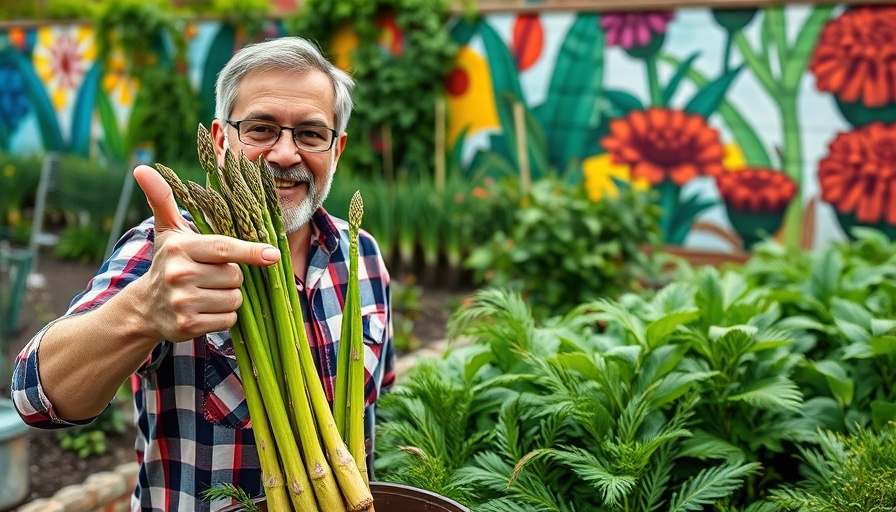
Gardener showing how to grow asparagus in small spaces, colorful garden mural.

Understanding the Joy of Growing Asparagus in Small Spaces

For residents of Metro Vancouver, the idea of cultivating a thriving garden in a limited space may seem daunting, but it's entirely possible—especially when considering delicious choices like asparagus! This vegetable not only adds a gourmet touch to your dishes but is also a perennial plant that can provide bountiful harvests for years. In this article, we’ll explore the ins and outs of growing asparagus, no matter how small your garden may be.

In I finally grew asparagus..., the excitement in the journey of planting and harvesting asparagus shines through. It expands our appreciation for homegrown produce while showing us that even in small spaces, big results can be achieved.

The Basics of Asparagus Cultivation

Asparagus is a unique vegetable, known for its long, slender stalks. Ideal for beginners, its cultivation involves selecting a sunny spot, preparing the soil, and choosing the right variety suitable for our climate. Since asparagus has a relatively long growing season, patience is key. Typically, the first harvest comes 2 to 3 years after planting, but the wait is worth it! Gardeners can enjoy fresh asparagus for 15 years or longer from the same plants.

Space-Saving Techniques for Urban Gardens

For urban Metro Vancouverites, maximizing space is essential. One excellent method to achieve this is through raised beds. These not only save on space but also improve drainage—a crucial factor for asparagus, which thrives in well-drained soil. Planting asparagus in a raised bed allows for better maintenance, ensuring that the plants receive adequate sunlight and the right amount of moisture.

Choosing Container Gardening

If you’re limited to a balcony or a patio, consider growing asparagus in large pots or containers. This approach is highly effective in urban settings where traditional gardening may not be possible. Containers also allow for better control of the soil and nutrients, ensuring the health of your plants. For optimal results, choose containers with good drainage holes to prevent waterlogged roots.

Harvesting and Enjoying Your Asparagus

Asparagus is not just easy to grow but can also transform your culinary experiences. When ready, the spears can be harvested once they reach about 6 to 8 inches in height. The best part? Fresh asparagus tastes significantly better than store-bought varieties. Sautéing it with olive oil and garlic or adding it to salads can enhance your meals in delightful ways.

The Emotional Connection to Gardening

Gardening fosters an emotional bond with our surroundings and can be incredibly rewarding. Asparagus serves as a reminder that nurturing something can lead to fulfilling outcomes, encouraging us to adopt sustainable practices. Each tender spear harvested not only nourishes but also offers a sense of accomplishment, particularly in the busy city landscape.

Future Trends in Urban Gardening

With increasing interest in sustainable living and the farm-to-table movement, growing our own food is becoming an attractive option for many urban dwellers. As more individuals look to utilize small spaces for edible gardens, the trend will likely grow. Incorporating education and community support will also enhance local gardening efforts, allowing more people to share their success stories and tips.

In I finally grew asparagus..., the excitement in the journey of planting and harvesting asparagus shines through. It expands our appreciation for homegrown produce while showing us that even in small spaces, big results can be achieved.

Gardening Tips

3 Views

0 Comments

Write A Comment

*
*
Please complete the captcha to submit your comment.
Related Posts All Posts
04.07.2026

Unlock Small Space Potential: Grow Zucchini Vertically for Maximum Yield

Update Why Vertical Gardening Is a Game-Changer for Small Spaces For residents of Metro Vancouver, maximizing space in our gardens can be a real challenge. Many of us yearn for a lush, productive garden but are often limited by the small yards or balconies we possess. If you’ve ever thought about growing zucchini but hesitated due to space constraints, it’s time to consider vertical gardening. This method not only saves ground space but also enhances productivity and can lead to healthier plants.In 'You should grow zucchini vertically...', the discussion explores innovative gardening methods tailored for urban spaces, prompting a deeper analysis on the substantial benefits and necessary techniques for successful vertical gardening. Understanding Vertical Gardening: Benefits and Techniques Vertical gardening involves growing plants on structures such as trellises, walls, or even dedicated vertical planters. This technique allows for better air circulation around plants, reducing the risk of disease. Additionally, by growing upwards rather than outwards, you can cultivate more plants in less area. Growing zucchini vertically is particularly beneficial because zucchinis are naturally bushy plants. By providing a sturdy trellis or support, you’ll ensure that your zucchinis have the space they need to thrive without hogging your precious ground space. This method also keeps zucchinis off the ground, which can help prevent rot and fungal issues, leading to healthier, more abundant harvests. Tips for Successfully Growing Zucchini Vertically To embark on your vertical zucchini adventure, start by selecting the right variety. Some zucchini types are better suited for vertical growth than others, so look for those labeled as "climbing" or "vining". Next, make sure you invest in a sturdy trellis—this could be something as simple as a wooden fence, stakes, or even a homemade structure with PVC pipes or dowels. As your plants start to grow, ensure you regularly tie them to the trellis using plant ties or soft twine to encourage vertical growth. Make sure to provide ample water and nutrients, as climbing plants may require a bit more care than their ground-dwelling counterparts. Environmental Benefits of Vertical Gardening Beyond practical space benefits, vertical gardening also offers significant environmental advantages. It encourages more efficient water use and can help mitigate urban heat—especially crucial in the summer. Vertically grown plants can provide more greenery in urban areas, improve air quality, and support local wildlife through creating habitats for pollinators. A Community Approach: Join the Urban Gardening Movement As urban gardening continues to gain momentum in Metro Vancouver, consider joining local gardening groups or forums. Sharing experiences with fellow urban gardeners can yield invaluable tips and foster camaraderie, helping to enhance our green spaces collectively. Plus, community gardens often have the resources and knowledge to support vertical gardening, which might inspire you to take the plunge! In conclusion, if you’re keen on transforming your small space into a productive garden oasis, consider vertical gardening as your new best friend. With its myriad benefits, you'll not only be able to grow more but also contribute positively to your environment and community. So grab a trellis, some soil, and get ready to watch your zucchinis reach new heights!

04.03.2026

Unlock the Secrets of Carrot Germination for Urban Gardens

Update The Secrets to Successful Carrot Germination For many Metro Vancouver residents, gardening can seem like a daunting task, especially in small spaces. Yet, successful vegetable gardening can be achieved with proper techniques. In a recent video titled "I tested every carrot germination trick...", the host shares insights into various methods to enhance carrot germination, which can be invaluable for urban gardeners.In the video "I tested every carrot germination trick...", the discussion dives into effective methods for getting the most out of your carrot seeds, providing practical insights that sparked deeper analysis on our end. Why Carrot Germination Matters Carrots are often seen as a staple garden crop, known for their versatility and nutritious benefits. However, getting them to sprout can sometimes feel like an uphill battle. Understanding the science behind germination not only improves your chances of growing healthy carrots but also boosts your confidence in urban farming. Experimenting with Techniques The highlights from the video showcase different germination tricks, such as: Soaking Seeds: Before planting, soaking carrot seeds can help speed up the germination process. Soil Temperature: Maintaining a consistent soil temperature is critical. Carrots prefer cool soil but will need warmth to germinate, typically around 60°F to 70°F. Thin Planting: Spacing out seeds properly can prevent overcrowding, allowing for better air circulation and root growth. Experimenting with these seeds offered a hands-on approach for viewers, showing that gardening doesn’t have to be perfect to be successful. Even one resident’s failures can lead to learning experiences that contribute to urban gardening knowledge. Local Gardening Resources For those keen on gardening in Metro Vancouver, there are community gardens, workshops, and resources that can offer support. Local gardening centers often provide classes on best practices to grow vegetables in limited spaces. Connecting with fellow gardening enthusiasts can also foster a sense of community. Eco-friendly Gardening Tips Another crucial insight is the importance of eco-friendliness in gardening. Using organic seeds, composting, and minimizing chemical fertilizer use can not only help the environment but also yield healthier crops. Urban gardeners have a unique opportunity to promote sustainability while enjoying the fruits of their labor. Final Thoughts on Urban Vegetable Gardening In summary, the video "I tested every carrot germination trick..." offers practical tips that are indispensable for anyone looking to grow carrots in small spaces. By applying these techniques, even beginners can embark on their gardening journey with confidence. So grab your seeds, find your preferred gardening method, and start your carrot-growing adventure today!

04.01.2026

Explore Essential Crops to Grow in April: Your Guide to Edible Bliss

Update Unleashing the Green: Exciting Crops to Grow in April As the warmer days of April arrive, it’s time for gardeners in Metro Vancouver to dig into their soil and start planting delicious and vibrant crops! Whether you’re a seasoned pro or just starting on your urban gardening journey, now is the perfect time to enrich your small spaces with a variety of fresh produce. In this article, we’ll explore some of the best crops to cultivate this season, ensuring a bountiful harvest while maximizing your limited gardening space.In '16 Crops You NEED To Start In April', the discussion dives into exciting gardening suggestions, exploring key insights that inspired our analysis of suitable crops for small urban gardens. 1. The Joy of Homegrown Corn Sweet corn is not just a treat for the eyes; it’s a delightful addition to your garden. Growing your own corn means savoring the unrivaled sweetness of fresh cobs right from your backyard. Not only is it fun, but cultivating varieties like Butter Gold and Ambrosia can make your garden a vibrant sight. With different days to maturity, you can stagger crop planting, reducing the risk of cross-pollination and ensuring a tasty corn maze in your garden. 2. Snap Peas: Spring's Sweet Delight As temperatures warm up, consider adding snap peas to your April planting list. These delicious, sweet pods grow well in cooler weather and can be eaten right off the vine, making them the perfect snack for kids and adults alike. Planting these little wonders about an inch deep with ample spacing will allow them to climb and thrive. Not only are snap peas tasty, but they are also easy to grow, making them an excellent choice for new gardeners. 3. A Melon Wonderland Imagine biting into a juicy slice of watermelon on a hot Vancouver day! Cultivating varieties like Hail’s Best can bring summer fun straight to your backyard. For those with limited space, note that some melon varieties like The Minnesota have much smaller growth habits and are perfect for smaller gardens. Proper seeding and care will yield a bountiful and refreshing harvest. 4. Vertical Gardening: Cucumber Booster Space constraints in urban settings don’t have to limit your gardening prospects; instead, think vertically! Growing cucumbers on trellises not only saves ground space but also provides a stunning visual appeal. With varieties like Muncher for snacking and Market More for salads, you can have both flavor and aesthetics. For best results, plant your cucumbers after the last frost and watch them thrive! 5. Flower Power: Marigolds for the Garden Adding marigolds to your garden can do wonders. These robust flowers are not only beautiful; they also repel some garden pests. Consider incorporating varieties like Kilimanjaro White Marigolds to add color while enhancing your crop's health. Easy to grow and maintain, marigolds are an effortless way to beautify your garden space. Taking Action in Your Garden April is an exciting month for gardeners, especially in urban areas where space is limited. Start planning your garden layout, considering how to make the most of vertical space while incorporating delicious crops such as corn, snap peas, melons, and cucumbers. Don't forget to add marigolds for beauty and pest control. Looking for more gardening tips or want to see how these strategies can help transform your small yard? Dive into your gardening journey this spring, and let's see how vibrant your blooms can grow! Happy gardening!

Terms of Service

Privacy Policy

Core Modal Title

Sorry, no results found

You Might Find These Articles Interesting

T
Please Check Your Email
We Will Be Following Up Shortly
*
*
*