
Add Row
Add Element
cropper
update

VancouverUrbanOasis

update
Add Element
  • Home
  • Categories
    • Vertical Gardens
    • Balcony Bliss
    • Indoor Oasis
    • Seasonal Tips
    • Expert Insights
    • Eco Living
    • Small Yard Transformations
    • Kitchen & Bath
    • BC Home Trends
    • Budget DIY Projects
    • Edible Gardens
  • Gardening Tips
  • Featured Business
June 29.2025
3 Minutes Read

Seven Vibrant Annual Flowers You Can Still Plant in July

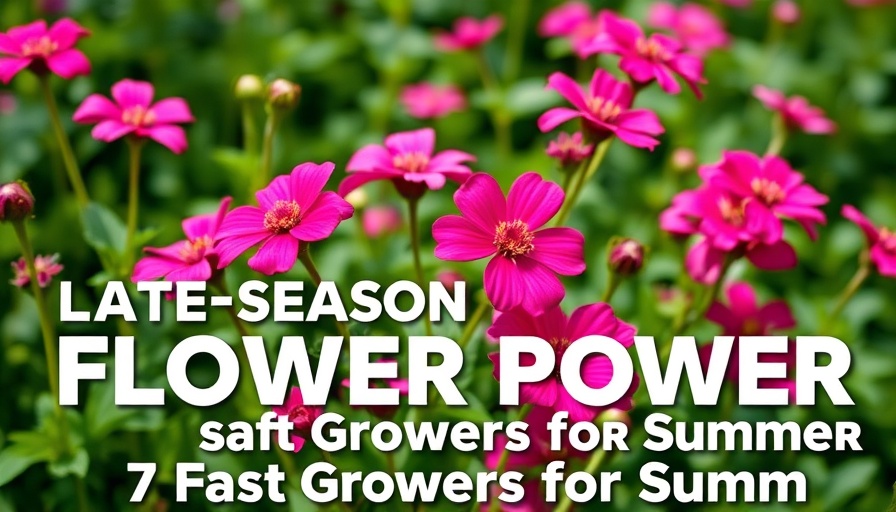
Vibrant garden with pink flowers and text overlay about fast-growing flowers.

Don’t Delay — July is the Month for Colorful Blooms!

If you’re feeling like the gardening season has passed you by, think again! July is a fantastic time to breathe new life into your garden by planting vibrant annual flowers that not only thrive in the heat but also bring joy and color well into the fall. Whether you're a novice gardener or just looking to refresh your outdoor space in Metro Vancouver, there are plenty of exciting options to consider.

In '7 Annual Flowers You Can Still Plant in July (And Why You Should!),' the discussion focuses on vibrant annual flowers suitable for summer planting, which sparked our deeper analysis on these gardening tips.

1. Zinnias: The Overachievers of Summer

Zinnias are fantastic for those eager to see quick results. These cheerful flowers can go from seed to bloom in as little as six weeks! With their love for heat and sunshine, they thrive beautifully even as other plants begin to fade. Available in a plethora of colors and heights, zinnias are versatile and can take center stage in both borders and containers. Plus, the more you snip them for bouquets, the more flowers they’ll produce up until the first frost — a win-win for any gardener.

2. Marigolds: Summer Warriors

Marigolds are the quintessential annuals that add a splash of color to any garden. These hardy flowers germinate quickly and are well-suited to withstand July's sweltering heat. Not only do they look lovely, but they also serve a dual purpose by repelling common pests like aphids and whiteflies. If you’re looking to add beauty and a built-in pest deterrent to your flower beds or vegetable garden, consider choosing tall African marigolds or the compact French marigolds for smaller spaces.

3. Cosmos: For the Free-Spirited Gardener

Cosmos flowers embody artistic beauty with their tall, delicate stature. A fantastic choice for the busy gardener, these blooms prefer a little neglect and can flourish even in poor soil. With their quick growth and ability to attract beneficial pollinators, planting cosmos is an excellent way to enhance your garden’s ecosystem. In no time, you can enjoy a stunning display of pink, white, or deep magenta flowers that will keep your garden lively until fall.

4. Nasturtiums: Edible Elegance

If you want fast-growing flowers that are also edible, nasturtiums are your go-to. These charming blooms can sprout in just 30-40 days and thrive in hot, dry conditions. Aside from their beautiful appearance, both the flowers and leaves offer a peppery taste, perfect for adding flair to salads and other dishes. As an added bonus, nasturtiums can help repel pests like squash bugs, making them splendid companions in a vegetable garden.

5. Calendula: Brightening Up Late Summer

Often known as pot marigold, calendula is another surprising contender for July planting. While they’re cooler-weather lovers, planting them in late July can yield a burst of bright blooms just as many other flowers start to fade. Calendula's orange and yellow daisy-like flowers not only bring cheer but are also used in many skin-care products. With regular deadheading, they’ll reward you with blooms until October, especially in more temperate areas like Metro Vancouver.

6. Cleome: Vertical Interest

For those looking for height, cleome, or spiderflower, offers an elegant touch. This fast-growing annual stands tall, reaching between 3-5 feet high, and is perfect for adding vertical interest to your garden. Cleome blooms attract bees and butterflies, creating an animated environment in your space. Just remember to give these beauties space to grow!

7. Sunflowers: Delightful Dwarfs

Yes, you can plant sunflowers in July! Opt for dwarf varieties that bloom in as little as 60 days, making them perfect for pots or small garden borders. These cheerful giants thrive in full sun and can bring a smile to anyone’s face. Their presence is sure to attract pollinators, which further enriches your garden's biodiversity.

Join the Gardening Community!

In summary, July is far from a gardening dead zone — it’s an opportune time to plant remarkable annuals that thrive in the heat. With options ranging from zinnias to sunflowers, there’s no shortage of choices to brighten up your garden before fall. You might even find your new favorite flower! Which of these vibrant annuals are you excited to try? Join the conversation in the comments below!

Happy planting!

Seasonal Tips

11 Views

0 Comments

Write A Comment

*
*
Related Posts All Posts
02.18.2026

Unlocking the Secrets of Landscape Project Costs in Vancouver

Update The Hidden Factors Behind Landscape Project Costs In Vancouver's vibrant gardening scene, understanding the costs associated with landscaping projects can transform any outdoor vision into reality. The question often arises: "What truly drives the cost of a landscape project?" Beyond the immediate expenses, several crucial elements come into play—size, plant selection, site conditions, and the expertise of the contractor, to name a few. This article delves into these driving factors, guiding Vancouver residents toward making informed decisions for their gardens. Understanding the Size and Scale of Your Project The size of your landscaping project is a primary determinant of cost. Typically, larger projects necessitate more resources and materials, leading to a higher price tag. However, size is just one aspect of the equation. The complexity of the design significantly impacts expenses as well. For instance, while a small flower bed may be straightforward, a large hillside garden presents challenges such as accessibility and erosion control, thus influencing labor costs. Choosing the Right Plants: Quality Over Quantity In Vancouver, plant selection plays a pivotal role in both the aesthetic appeal and cost-effectiveness of landscaping. Opting for native plants, which thrive in local conditions, can reduce maintenance expenses and enhance the ecological health of your garden. For example, while rare or exotic plants might elevate initial costs due to their scarcity, locally adapted species require less water and fertilizer, preserving both the environment and your budget in the long run. The Impact of Site Conditions and Accessibility Evaluating your landscape's site conditions is crucial. Factors like soil quality, topography, and even existing vegetation can dictate the overall project cost. For example, projects that require extensive soil improvement due to poor drainage will typically incur extra labor and material expenses. Moreover, if access to the site is challenging—such as narrow pathways or steep slopes—this will require additional planning and equipment, driving costs higher. The Value of Expertise in Landscape Design Hiring an experienced landscaper is not just about paying for labor; it’s an investment in long-term aesthetics and sustainability. A skilled contractor can foresee potential issues, recommend suitable plant varieties, and design layouts that ensure seasonal beauty and minimal upkeep. This expertise can save homeowners considerable amounts over time, preventing costly mishaps and enhancing the longevity of the garden. Future-Proofing Your Landscape: Insights for the Coming Seasons Local gardeners should also consider future trends when planning their landscape projects. As climate conditions shift, plant choices that adapt to variable weather patterns become key in preventing costly replacements. By investing in designs that factor in seasonal changes now, homeowners in Vancouver can create gardens that not only look stunning year-round but also withstand the test of time. Why Budget Wisely for Your Landscaping Needs Ultimately, understanding these factors—and incorporating them into your project budget—can lead to a landscape that thrives in beauty and functionality. Remember, effective landscaping is about creating a space that brings joy and harmony to your home while ensuring that it remains within financial reach. Researching local contractors and plant nurseries can also bring considerable savings. With a thoughtful approach, your garden can flourish without straining your wallet. As you contemplate your next landscaping endeavor, take a moment to evaluate these elements. Ready to start your gardening journey? Consult with local experts to bring your outdoor vision to life while also investing wisely in your landscape’s future.

02.17.2026

Elevate Your Gardening with Innovative Seed Starting Techniques in Vancouver

Update Discover Innovative Seed Starting Techniques for Vancouver Gardens As the seed starting season rolls around, Vancouver residents are presented with an exciting opportunity to experiment with various gardening techniques. Two particularly noteworthy methods have emerged: seed snails and soil blocks. Each method offers unique advantages that not only enhance efficiency but also promote environmental sustainability—a perfect fit for our local gardening community.In 'Saving Seed Starting Techniques | Seed Snails and Soil Blocks', the discussion dives into innovative gardening methods, exploring key insights that spark deeper analysis on our end. What Are Seed Snails and How Do They Help? Seed snails are innovative, space-saving containers designed to house multiple seedlings in a compact manner. Their roll-up design keeps seedlings organized and allows gardeners to monitor their growth with ease. This technique is perfect for those with limited gardening space, such as urban dwellers or balcony gardeners. When using seed snails, you can also enjoy the flexibility of moving your seedlings around, allowing them to bask in the sunlight as needed. The Benefits of Soil Blocks for Sustainable Gardening Soil blocks are another excellent alternative gaining popularity among eco-conscious gardeners. These sturdy, well-aerated cubes are made from a mixture of soil and other organic materials, allowing roots to develop strong and healthy. One of the great advantages of soil blocks is that they eliminate the need for plastic pots, making them a more sustainable option for those looking to reduce their environmental footprint. Soil blocks also encourage air pruning, which means the roots of plants are naturally directed to grow outward without becoming root-bound. This encourages robust growth and prepares seedlings for successful transplanting into the garden. Practical Insights: Choosing the Best Method for Your Needs Deciding between seed snails and soil blocks depends on your personal preference and gardening style. If you value organization and ease of access, seed snails might be the ideal choice for you. However, if sustainability and robust plant growth top your list, then soil blocks may align better with your gardening philosophy. Regardless of which method you choose, both techniques offer thoughtful ways to nurture your seeds into thriving young plants. Embracing Native Plants in Your Vancouver Garden As you embark on your seed starting adventure, consider incorporating native plants into your garden. Native species are well adapted to our local climate and ecosystem, making them an excellent choice for sustainability. Not only do they require less water, but they also support local pollinators and wildlife, enhancing biodiversity in your community. Whether you choose to start with seed snails or soil blocks, native plants can flourish using these innovative techniques. Actionable Insights for Vancouver Gardeners Both seed snails and soil blocks are accessible and straightforward techniques for those interested in nurturing plants. Experimenting with these methods is a fantastic way to engage with gardening and foster a deeper connection to nature within the urban landscape of Vancouver. Be sure to monitor your seedlings regularly and adapt your watering and feeding practices as necessary for optimal growth. As you plan your garden, don’t forget to enjoy the process! Gardeners often find joy in watching their plants develop from tiny seeds into vibrant contributors to our local ecosystems. Whether you have a small balcony or a spacious yard, embracing these innovative seed starting techniques can transform your gardening experience.

02.17.2026

Optimal Materials for Your Vancouver Outdoor Space: A Must-Read Guide

Update Making Smart Material Choices for Your Vancouver Garden When it comes to designing the outdoor space in your Vancouver home, the right materials can make all the difference. The coastal city is renowned for its beautiful landscapes, but its temperate oceanic climate—with significant rainfall—presents unique challenges when selecting materials for gardens, patios, and decks. Understanding Vancouver’s Unique Climate With an average annual rainfall of around 1,200 mm and mild winters, Vancouver's weather affects how materials perform outdoors. Homeowners should look for materials that not only withstand moisture but also resist mold, rot, and decay. For instance, composite decking is a robust option favored for its durability against the elements, while traditional cedar provides a natural aesthetic but requires routine maintenance to uphold its charm. Choosing the Right Deck Material for Your Outdoor Space Decking is one of the most crucial elements to consider for your outdoor environment. In Vancouver, both wood and composite materials offer distinct benefits: Cedar: Known for its stunning appearance and innate resistance to rot, cedar requires regular maintenance like sealing and staining, owing to the city’s wet climate. Composite Decking: A low-maintenance alternative, it’s designed to endure damp conditions without warping or fading, making it a long-term investment. Aluminum: This is another hardy choice, providing a robust, low-maintenance finish that stands up to both pests and weather. Key Factors in Material Selection When narrowing down your options, consider factors such as: Weather Resistance: Prioritize materials that can handle Vancouver’s wet conditions to avoid future repair costs. Aesthetic Appeal: Ensure your materials align visually with your home and garden theme. Maintenance Level: Understand how much upkeep you’re willing to commit to; materials like composite decking can reduce work over time. Making Informed Decisions Researching local suppliers who understand Vancouver's unique conditions is crucial. Expert advice can guide you toward suitable finishes and installations that maximize longevity. Proper installation is vital, as poor choices in flashing and sealing can compromise even the best materials. Embrace Your Outdoor Space Your outdoor space can become a true reflection of your lifestyle when equipped with the right materials. Whether you’re entertaining friends or enjoying a quiet evening, the right choices can enhance your quality of life and connect you with Vancouver's stunning natural environment. Feeling inspired to revamp your outdoor space with materials best suited for Vancouver's climate? Start planning your garden transformation today with expert guidance tailored to your unique needs!

Terms of Service

Privacy Policy

Core Modal Title

Sorry, no results found

You Might Find These Articles Interesting

T
Please Check Your Email
We Will Be Following Up Shortly
*
*
*