
cropper

VancouverUrbanOasis

  • Home
  • Categories
    • Vertical Gardens
    • Balcony Bliss
    • Indoor Oasis
    • Seasonal Tips
    • Expert Insights
    • Eco Living
    • Small Yard Transformations
    • Kitchen & Bath
    • BC Home Trends
    • Budget DIY Projects
    • Edible Gardens
  • Gardening Tips
  • Featured Business
September 17.2025
2 Minutes Read

Transform Small Spaces Into Lush Gardens: Grow Money on Trees

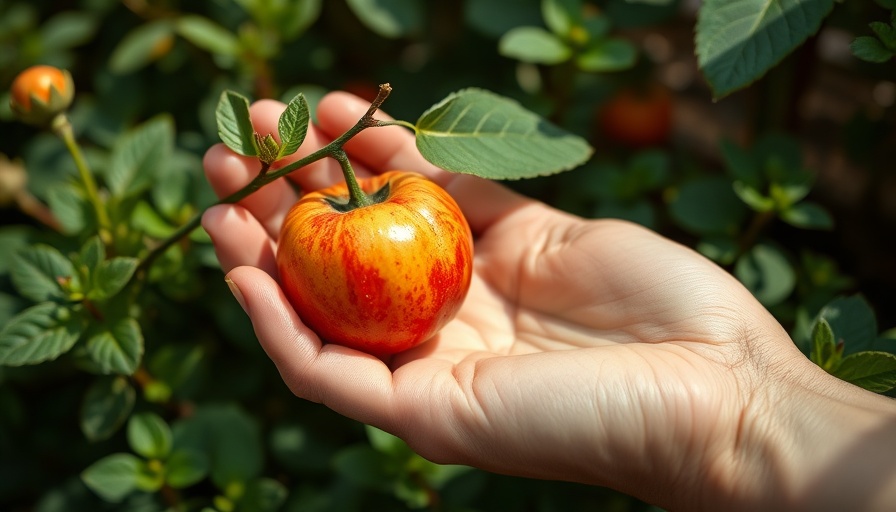
Vibrant fruit in hand, showcasing garden growth.

Creating Green Spaces in Urban Environments

For residents of Metro Vancouver, where living space can come at a premium, the idea of growing a garden might seem daunting. However, innovative gardening techniques can transform even the smallest of balconies or yards into lush green sanctuaries. Growing food—or as one might say, 'money on trees'—is not just a metaphor; it’s an achievable reality for urban gardeners throughout the city.

In 'I'm growing money on trees...', the discussion dives into urban gardening, exploring key insights that sparked deeper analysis on our end.

Maximizing Small Spaces: The Vertical Gardening Trend

Vertical gardening has taken the urban gardening scene by storm. This approach utilizes wall space to cultivate plants, making it ideal for those with limited horizontal room. You can create living walls with pockets of soil to plant herbs, strawberries, or even lettuces. This method not only saves space but also adds visual appeal to your home. Residents are increasingly exploring vertical gardening solutions such as trellises and modular garden systems that allow for a greater variety of plants without occupying ground space.

Edible Gardens: Turn Your Garden Into a Food Forest

Imagine harvesting fresh herbs and vegetables right from your own balcony. An edible garden can augment your cooking while reducing trips to the grocery store. Vegetables like cherry tomatoes, peppers, and even dwarf fruit trees can produce a bountiful harvest in smaller spaces. Incorporating companion planting strategies can maximize yield while keeping pests at bay—creating not just a garden but a thriving ecosystem.

Investing in Budget DIY Projects for Your Garden

Transforming your small yard into a productive garden doesn’t have to break the bank. Utilizing repurposed materials, such as old pallets for planting boxes or bottle planters, can significantly reduce costs. DIY gardening projects not only save money but also provide a unique touch to your garden and encourage creativity. Many Vancouver residents have shared their innovative solutions, turning everyday materials into gardening tools, making the process of gardening accessible for all.

Resources for Urban Gardeners in Metro Vancouver

For those interested in starting their gardening journey, numerous resources are available. Local community gardens often serve as excellent learning platforms for new and seasoned gardeners alike. Joining a gardening club or participating in workshops can provide invaluable knowledge and foster connections within the community. Local stores and online platforms are also filled with tools and resources tailored for small-space gardening.

Conclusion: Green Your City and Connect With Your Community

With a little creativity and resourcefulness, growing food in urban areas is not only possible; it’s also rewarding. As residents of Metro Vancouver explore the possibilities of small-space gardening, they contribute to a greater sense of community and sustainability. It’s time to grow your own money on trees, one small space at a time!
Gardening Tips

21 Views

0 Comments

Write A Comment

*
*
Please complete the captcha to submit your comment.
Related Posts All Posts
11.01.2026

What Should You Bury Under Your Crops? Effective Gardening Insights

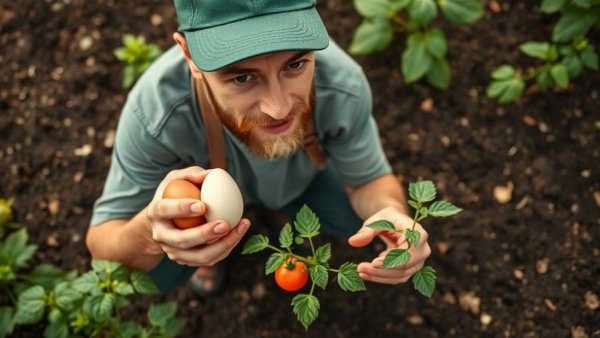
Update Unearthing Gardening Myths: What Should You Bury Beneath Your Crops? Have you ever wondered what you can bury under your crops to boost their growth? In a recent video titled Everything You Can Bury Under Crops Ranked, gardeners Jacques and his colleague sift through an array of unconventional practices that have been recommended over the years. From banana peels to rusty nails, they rank these practices from ineffective to effective. This article synthesizes their insights for those of you in Metro Vancouver looking to maximize your small space gardens.In Everything You Can Bury Under Crops Ranked, the discussion dives into unconventional gardening practices, exploring key insights that sparked deeper analysis on our end. Banana Peels: A Surprisingly Average Option Many gardeners tout banana peels as a natural fertilizer, suggesting burying them near plant roots. According to Jacques, while banana peels are organic and break down easily, they do require proper preparation for effectiveness. Chopping them up or using compost is recommended for quicker nutrient release. Thus, they rest at a C tier—not a waste, yet not particularly effective either. Eggshells: The Calcium Conundrum Next on the list are eggshells, which some claim can provide necessary calcium for plants. However, Jacques warns against this common misconception; eggshells take too long to decompose in the soil. If crushed or processed properly, they might find a use in the garden, but the original method falls into the D tier due to its inefficiency. Instead, creating a calcium solution using vinegar is an alternative to explore. Fish Remains: A Nutrient Powerhouse? Using fish scraps in the garden can sound dubious, yet it ranks higher on the scale. When buried correctly with lime to prevent pests, fish can enrich the soil with essential nutrients like nitrogen. However, Jacques advises waiting until the next season before planting directly above; placing them immediately may hinder plant growth initially. This method garners a respectable B tier rating. Epsom Salt: The Overlooked Miracle? Contrary to popular belief, Epsom salt does not contribute critical nutrients to plant growth, as plants seldom face magnesium deficiency. Jacques suggests this practice may actually harm crops, earning it a D tier rank for gardeners who seek a more targeted approach to plant health. Composting: Your Best Bet for Garden Health Amidst all buried materials, Jacques advocates composting as the king of enriching techniques. Composting not only breaks down organic matter, allowing nutrients to become bioavailable, but also feeds beneficial microorganisms that support soil health. For Metro Vancouver residents, investing time in a composting system could yield the most substantial benefits for your urban garden. Conclusion: Be Strategic with Your Burying Choices It's essential to separate fact from fiction when considering what to bury under your plants. While some methods may hold tidbits of truth, the overwhelming evidence suggests that many popular practices lack efficiency or can be counterproductive. Remember, successful gardening in urban environments often hinges on smart and informed practices. If you're ready to transform that small space into a flourishing edible garden, take these insights into your own gardening adventures. Happy planting!

10.30.2026

How to Get Rid of Root-Knot Nematodes for Good: Essential Tips for Gardeners

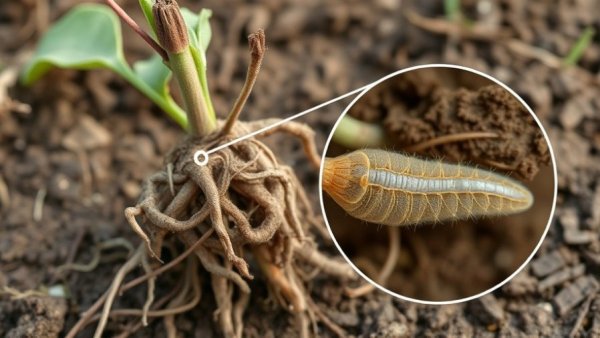
Update Understanding Root-Knot Nematodes: The Invisible Garden Enemy Despite meticulously planning your garden, providing just the right conditions for each plant, an invisible menace might be quietly wreaking havoc. Root-knot nematodes, microscopic parasites capable of devastating your plants, may be lurking in your soil. Jacques from Epic Gardening sheds light on this subject, explaining how these pests can cause significant damage, leading to plants that stall or completely die off when faced with infection. In 'Get Rid Of Root-Knot Nematodes For Good', the discussion dives into the challenges posed by these invisible pests, exploring key insights that sparked deeper analysis on our end. Identifying the Problem: Stalling Plants and What to Look For Root-knot nematodes affect your plants by penetrating their roots, injecting enzymes that disrupt nutrient flow, and ultimately stunting growth. Healthy roots are typically whitish, while infected roots develop swollen galls, indicating the presence of these pests. Pulling your plants up carefully can help you assess root health and identify whether nematodes are to blame. If swelling or galls are visible, immediate action is essential to prevent further damage. Effective Strategies for Managing Nematode Infestations One of the best ways to deal with root-knot nematodes is to establish preventive measures. Transitioning to container gardening can bypass soil-borne issues since you control the growth medium entirely. Conversely, if you prefer to grow directly in the ground, consider employing techniques such as early spring planting and meticulous crop rotation. The Role of Cover Crops and Beneficial Nematodes Integrating cover crops such as mustard or sun hemp can aid in suppressing nematode populations. Mustard plants release compounds that are lethal to nematodes, while sun hemp provides nitrogen to the soil and acts as a non-host, which nematodes cannot thrive on. In addition to these cover crops, consider introducing beneficial nematodes into your garden, which prey on the harmful species, creating a biological control system. Solarization: A Natural Approach to Killing Pests Solarization is a method that takes advantage of warm sunny days to heat the soil and ultimately kill nematodes. This involves covering your soil with clear plastic to create a greenhouse effect, raising temperatures to levels fatal for these pests. This natural method works best during hot, sunny summer months and requires minimal resources, making it an ideal solution for gardeners in urban settings. Compact But Mighty: Gardening Tips for Small Spaces For urban gardeners in Metro Vancouver, space may be limited, but that doesn't mean you can't have a fruitful garden. Utilize vertical gardening techniques or container gardening to maximize your available area while still effectively combating nematode issues. Consider investing in high-quality potting mixes and compost to support strong, healthy plants that can withstand nematode pressures. With these insights, you can take proactive steps in adapting your gardening practices, especially if you've encountered nematode problems in the past. Remember to monitor your plants carefully, choose resistant varieties, and implement sustainable practices to build a robust garden ecosystem. If you’re interested in learning more about effective strategies to manage pests and enhance your gardening experience, consider exploring resources that offer a wealth of knowledge on urban gardening and pest control.

10.29.2026

Unlock the Secret to Growing Garlic to Thrive in Your Small Garden

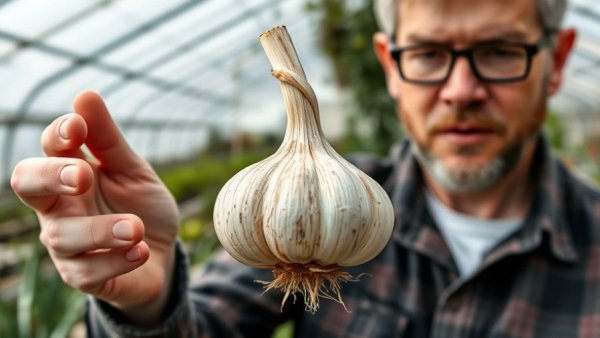
Update Tricking Garlic for a Winter Harvest: The Urban Gardening Revolution Have you ever wondered how to maximize your small garden space here in bustling Metro Vancouver? The quest for growing fresh produce doesn’t have to be limited by space—or seasonal conventions. Inspired by the video titled I tricked garlic into thinking it’s winter..., we explore how urban gardeners can outsmart the seasons and cultivate delicious garlic from their tiny patches, balconies, or even window sills!In the video I tricked garlic into thinking it’s winter..., we see innovative ways to grow garlic, inspiring us to explore the possibilities of urban gardening in limited spaces. Wintering Garlic: A Clever Gardening Hack The trick to coaxing garlic into its optimal growth cycle involves manipulating its natural dormancy period. In the video, we see an innovative approach where garlic is induced to believe it's winter, prompting it to grow stronger roots, and ultimately leading to a bountiful harvest. This technique can be particularly advantageous for those gardening in small spaces, as it allows you to extend the growing season and maximize limited resources. Benefits of Urban Garlic Farming Growing garlic at home offers a host of benefits beyond just fresh culinary delights. First and foremost, garlic is a reputable pest deterrent. When planted among other garden vegetables, it can help protect your plants. Plus, it’s a nutrient-dense food that packs flavor and health benefits into every bulb. For Metro Vancouver residents, the idea of growing an edible garden can turn a small, otherwise barren outdoor area into a flourishing source of food, enhancing the environmental aesthetic and boosting local food sustainability. Accessibility for All: Gardening in Small Spaces As city dwellers, we often face constraints when it comes to gardening. However, garlic is highly adaptable and can be grown in containers, window boxes, or even vertically, making it an ideal candidate for small-scale gardening. Vertical gardens, in particular, can transform walls into green sanctuaries, allowing for creative expressions of gardening even in the tightest locales. Incorporating pots into your balcony design can also turn that underutilized space into a thriving garden oasis. Steps to Get Started: A Simple Guide for New Urban Gardeners Ready to give garlic growing a try? Here’s a quick guide to help you start: Choose Your Garlic: Opt for hardneck or softneck types based on your local climate. Prep Your Space: Gather pots or planters, ensuring they have good drainage. Soak and Plant: Soak bulbs before planting to boost growth. Bury them pointy end up, about 2 inches deep. Manipulate Temperature: If you can, chill your garlic in the fridge for a week pre-planting to mimic winter conditions. Water and Fertilize: Keep the soil moist (but not soggy) and consider organic fertilizers to enhance growth. Before you know it, your garlic will be sprouting strong and vibrant! Gardening can be a fulfilling experience that connects us with nature, even amidst urban landscapes. Utilizing techniques like these ensures that every resident of Metro Vancouver can turn their living space into a miniature farm, making sustainability and fresh food access more attainable for everyone, particularly in small urban environments. If you’re ready to embark on your own garlic-growing journey, now’s the perfect time to start planning! Explore local community gardening resources and share your progress with fellow gardening enthusiasts online.

About This Site

This Metro Vancouver Urban Oasis blog and resource site will focus on urban gardening and small-space living solutions tailored for Metro Vancouver homes and residents. Our content will provide practical, space-saving gardening tips, landscaping, and interior design advice, catering to city dwellers with limited space but a passion for enhancing their indoor and outdoor environments.

COMPANY

  • Privacy Policy
  • Terms of Use
  • Advertise
  • Contact Us
  • Menu 5
  • Menu 6

6048250431

AVAILABLE FROM 8AM - 5PM

Surrey, BC

, ,

ABOUT US

We differentiate ourselves by offering hyper-localized content that addresses the specific climate, space constraints, and lifestyle of Metro Vancouver residents. Our expert advice on vertical gardening, balcony transformations, and indoor plant care sets us apart from broader home and garden media.

© 2026 CompanyName All Rights Reserved. Address . Contact Us . Terms of Service . Privacy Policy

Terms of Service

Privacy Policy

Core Modal Title

Sorry, no results found

You Might Find These Articles Interesting

T
Please Check Your Email
We Will Be Following Up Shortly
*
*
*