
cropper

VancouverUrbanOasis

  • Home
  • Categories
    • Vertical Gardens
    • Balcony Bliss
    • Indoor Oasis
    • Seasonal Tips
    • Expert Insights
    • Eco Living
    • Small Yard Transformations
    • Kitchen & Bath
    • BC Home Trends
    • Budget DIY Projects
    • Edible Gardens
  • Gardening Tips
  • Featured Business
April 11.2025
3 Minutes Read

Transform Your Balcony with Stunning Drought Tolerant Hanging Plants

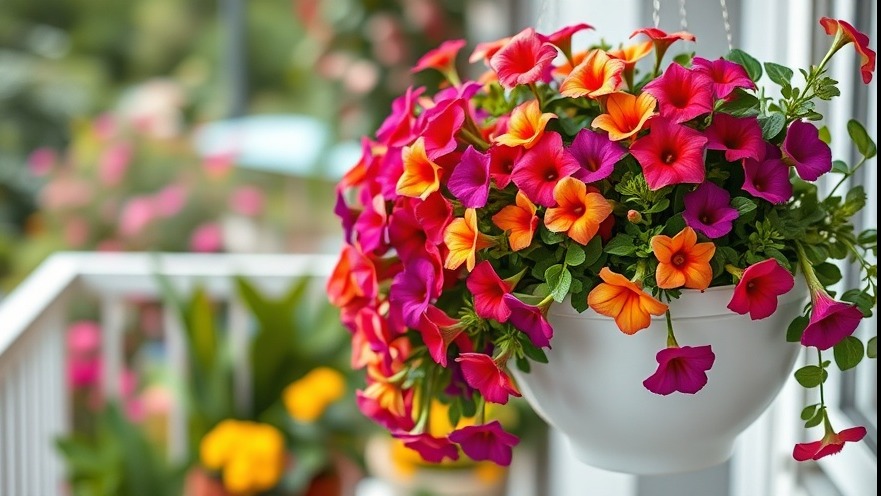
Vibrant easy care plants in a white hanging basket for urban balcony gardens.

Grow Beautiful Hanging Baskets with Ease!

Do you long for vibrant hanging baskets that adorn your balcony without the constant struggle of watering? If you are a resident of Metro Vancouver looking to enhance your outdoor charm, diving into drought-tolerant plants is the answer! These beauties not only resist dry spells but add color and life to your urban garden.

In 'Drought Tolerant Plants for Hanging Baskets,' the video highlights various plants that require less watering, paving the way for this in-depth analysis of making the most of your balcony with drought-resistant beauties.

Nature's Drought-Defiers: Introducing the Stars of Your Hanging Baskets

Finding the right plants for your hanging baskets can feel overwhelming, especially in a bustling metro like Vancouver where space and resources can be limited. Here are some exceptional choices:

  • Moss Rose: This resilient plant thrives in heat and demands little water, making it perfect for those hot summer days. Its bright blooms bring cheer to even the simplest arrangements!

  • Lantana: Not only does Lantana produce nonstop beautiful flowers in sunny conditions, but it also attracts essential pollinators like butterflies and bees, enhancing biodiversity in your garden.

  • Sedum: A tough succulent that hugs the edges of your basket, Sedum is beautiful when trailing down. It offers unique texture and visual interest while requiring minimal water.

  • Ivy Geranium: Known for its cascading flowers, this classic favorite is well-known to withstand dry periods while maintaining its stunning display.

  • Burrow's Tail: With its exceptional ability to thrive on neglect, this unique trailing succulent creates a stunning visual effect and demands very little maintenance.

Arranging Your Hanging Masterpieces

Now that you’ve chosen your drought-tolerant plants, let’s discuss how to bring them to life in your outdoor space. Start by selecting a mix of colors and textures from the plants listed, as this variety will create a stunning focal point. Arrange taller plants like Lantana alongside trailing varieties like Sedum to offer beautiful layers. This not only enhances the visual appeal but also ensures that your arrangements remain full and vibrant.

Enjoy Low-Maintenance Beauty All Season Long

Caring for these plants requires little more than an occasional check-in. Drought-tolerant plants like Moss Rose and Ivy Geranium thrive in Metro Vancouver's conditions, requiring minimal watering, especially when you take advantage of the rainy season. With an eye for design and an understanding of seasonal changes, you'll enjoy the incredible visual rewards without the stress of continuous upkeep.

Explore the Possibilities for Your Balcony Bliss

Imagine stepping onto your balcony, greeted by the cascading blossoms and welcoming aromas of your meticulously arranged plants. Whether you're sipping morning coffee or hosting friends, a thoughtfully curated hanging basket setup can transform your outdoor space. So why wait? Start gathering these drought-tolerant plants and unleash your creativity today!

Your Next Steps Toward Balcony Bliss!

Embarking on a journey to create stunning hanging baskets has never been more straightforward! Embrace the beauty of drought-tolerant plants and refresh your outdoor space. You'll not only enhance the appeal of your balcony but also contribute positively to your local environment by nurturing pollinators and using greener gardening practices.

Balcony Bliss

13 Views

0 Comments

Write A Comment

*
*
Please complete the captcha to submit your comment.
Related Posts All Posts
09.11.2026

Hidden Factors Ending Your Pothos Plant Joy - Discover Solutions!

Update The Hidden Issues That Could Be Killing Your Pothos Plant Pothos plants are the rock stars of urban gardening—they're beautiful, resilient, and perfect for small spaces. However, if your beloved pothos appears to be struggling, you might be overlooking a critical factor that could be pulling it down. Understanding the common hidden problems can turn a dying pothos into a thriving centerpiece on your balcony.In 'Your Pothos Plant Might Be Dying Because of ONE Hidden Problem!', the discussion dives into common plant care dilemmas, exploring key insights that sparked deeper analysis on our end. Signs Your Pothos Needs Attention The first step to reviving your pothos starts with recognizing the signs signaling a problem. Yellowing leaves, wilting, or stunted growth often indicate an underlying issue. Many times, these concerns can stem from improper watering levels, root rot, or insufficient light exposure. It's essential to regularly monitor your plant, as even slight changes can be telling. Watering: The Double-Edged Sword Watering is a common pitfall for many indoor gardeners. While pothos plants thrive in humid environments, overwatering can lead to root rot—a silent killer. Ensure your pot has drainage holes to allow excess water to escape, and avoid letting your plant sit in standing water. On the flip side, underwatering can also cause distress, leading to wilted leaves. Striking the right balance between these scenarios is critical. Light Requirements for Healthy Growth While pothos are known to tolerate low-light conditions seamlessly, they do best with moderate, indirect sunlight. If your plant isn’t getting enough light, it may become leggy and lose its vibrant color. Consider relocating your plant closer to a light source or using supplemental grow lights if natural light isn't an option. This can significantly enhance your plant's health and growth. Fertilizing Tips for Optimal Health Another hidden element lies in the nutrition that your pothos receives. Use a balanced houseplant fertilizer during the growing season to give it a boost. A lack of nutrients can lead to pale, slow-growing leaves over time. However, be cautious: over-fertilizing can lead to salt buildup, harming the roots. Opt for a slow-release fertilizer and follow package instructions for optimal results. Keeping Pests at Bay Finally, watch out for pests that may be sneaking into your plant’s sanctuary. Spider mites, mealybugs, and aphids can set up camp on your pothos, draining its vitality. Regularly inspect the leaves for any signs of infestation, and consider introducing natural predators or using an insecticidal soap to keep them in check. Conclusion: Revitalize Your Pothos Today! Understanding these hidden problems and their solutions is vital for ensuring your pothos thrives. For residents of Metro Vancouver eager to enhance their balcony space, making a few easy adjustments can yield remarkable results. Remember, gardening should be a joyful experience, and your pothos can be a living testament to that. Embrace these insights, and let your balcony blooms blossom!

09.10.2026

Transform Your Home with 25 Low Light Houseplants Perfect for Fall

Update Discover the Best Low Light Houseplants for Every Home As the days shorten and the seasons shift, many indoor plants begin to struggle without the direct sunlight they thrived on during summer. However, fear not! There exists a remarkable group of low light houseplants perfectly adapted to survive—and even thrive—when light levels drop. This article highlights 25 of the best low light houseplants that can bring life and vibrancy to your home or balcony despite the seasonal dimming.In 25 Best Low Light Houseplants That Thrive in Fall & Winter, the discussion dives into essential plants suited for low light conditions, and we’re breaking down their key features and care tips for urban dwellers. What Does Low Light Really Mean? Low light doesn't imply that these plants can survive in darkness. Instead, it refers to indirect sunlight—like that filtering through sheer curtains or coming from a window across the room. These plants require some ambient light but can manage well in corners of your home that see less sun, making them perfect for those cozy fall and winter months. Meet Your New Green Companions Among the variety of plants highlighted, the Snake Plant stands out for tolerating low light levels. Its ability to dry out between waterings makes it a low-maintenance companion, ideal for those who might forget to water regularly. Similarly, the ZZ Plant stores water in its underground rhizomes, allowing it to thrive even when watered less frequently as growth slows during the darker months. Then there's the Cast Iron Plant, aptly named for its resilience, and the Peace Lily, which may slow down in flowering but remains lush in foliage in lower light. As for the Chinese Evergreen, it actually holds its vibrant color better in less direct light, making it a visually appealing addition to any dimly lit space. Why Should You Consider Low Light Plants? In an urban environment like Metro Vancouver, where balcony space is often at a premium, knowing which plants can thrive in limited light can make all the difference. These plants provide a chance for urban residents to green up their living areas and improve air quality, creating a refreshing indoor oasis. Tips for Caring for Your Low Light Plants 1. **Watering Wisely**: Given that many of these plants need less frequent watering, be sure to let the top inch of soil dry out before you water again. This helps prevent root rot. 2. **Humidity Matters**: Some plants, like the Boston Fern, thrive on humidity. If your home is dry, consider misting your plants occasionally to keep their environment comfortable. 3. **Placement Is Key**: Position your plants in the best possible spot for their needs. For example, while the Snake Plant can handle very low light, giving it some indirect bright light occasionally can enhance its growth. Customize Your Urban Space Choosing low light houseplants not only adds greenery to your space but can also enhance the overall aesthetics of your interior and balcony. Imagine a restful corner with a Peace Lily or a Snake Plant adding life where sunlight rarely lingers. As the days get shorter, consider selecting from the group of low light resilient plants mentioned. They will not only survive but also enhance your quality of life by fostering relaxation and improving indoor air conditions. If you're looking for the perfect candidates for your balcony or small urban garden, now is the time to explore these fabulous low light houseplants. As a closing note, remember to share your plant journey and let others know which plants you’ve found particularly resilient in your home.

09.09.2026

Maximize Christmas Cactus Flowers Every Year with This Simple Trick

Update Unlocking the Secret to Abundant Christmas Cactus Flowers Want your Christmas cactus to burst into a riot of pinks and whites every holiday season? This festive favorite, often found adorning balconies and indoor spaces alike, can thrive with just a bit of a timely trick. The best part? With a simple change in care, you can maximize blooms, ensuring that your home or balcony becomes a stunning spectacle of color during the holidays.In 'Get TONS of Christmas Cactus Flowers Every Year With This Trick', the discussion dives into plant care techniques, exploring key insights that sparked deeper analysis on our end. Understanding the Basics of Christmas Cacti Christmas cacti (Schlumbergera) are native to Brazil's tropical forests. Unlike their desert-dwelling cousins, these plants thrive in a more humid environment and require specific care to bloom beautifully. After all, you might wonder, what makes these succulents so special? Their unique growth pattern and vibrant flowers make them popular among urban gardeners looking to brighten up their spaces without sacrificing square footage. Timing is Everything: The Trick for More Blooms One of the most effective ways to encourage your Christmas cactus to flower profusely is to mimic its natural habitat. The secret lies in controlling its temperature and light exposure as the holidays approach. Consider placing your plant in a cooler area for about six weeks before it’s set to bloom. This temperature drop, paired with darkness for around 12 to 14 hours a day, tricks the plant into thinking it's time to blossom. Growing Your Cacti in a Small Space For Metro Vancouver residents, maximizing balcony space while enjoying the beauty of flowering plants is essential. Christmas cacti are perfect as they don’t require an abundance of sunlight or room to flourish. Utilizing vertical gardening systems or hanging baskets can allow you to showcase these beauties without taking up valuable floor space. Combine these plants with seasonal decorations to really imbue your outdoor area with holiday cheer. Consider the Right Potting Mix and Watering Schedule To ensure optimal health and blooming, using the right potting mix is crucial. A fast-draining mix helps avoid roots sitting in water, which can lead to rot. Watering should be infrequent but thorough; allowing the soil to dry out completely between watering promotes a healthy plant. This care, combined with the appropriate temperature adjustments, positions your Christmas cactus for explosive floral abundance! Post-Bloom Care and Rejuvenation After your Christmas cactus has delighted you with its blooms, proper care is essential to keep it healthy for the upcoming seasons. Once the flowers fade, refrain from excessive pruning; instead, allow the plant to rest and recover. Ensuring it has a regular watering schedule, including a mild fertilizer, will set it up well for the next blooming season. By adopting these simple yet effective care methods, Metro Vancouver residents can create a truly blissful balcony oasis this holiday season. Remember, a little TLC goes a long way in transforming your small outdoor space into a stunning floral display.

About This Site

This Metro Vancouver Urban Oasis blog and resource site will focus on urban gardening and small-space living solutions tailored for Metro Vancouver homes and residents. Our content will provide practical, space-saving gardening tips, landscaping, and interior design advice, catering to city dwellers with limited space but a passion for enhancing their indoor and outdoor environments.

COMPANY

  • Privacy Policy
  • Terms of Use
  • Advertise
  • Contact Us
  • Menu 5
  • Menu 6

6048250431

AVAILABLE FROM 8AM - 5PM

Surrey, BC

, ,

ABOUT US

We differentiate ourselves by offering hyper-localized content that addresses the specific climate, space constraints, and lifestyle of Metro Vancouver residents. Our expert advice on vertical gardening, balcony transformations, and indoor plant care sets us apart from broader home and garden media.

© 2026 CompanyName All Rights Reserved. Address . Contact Us . Terms of Service . Privacy Policy

Terms of Service

Privacy Policy

Core Modal Title

Sorry, no results found

You Might Find These Articles Interesting

T
Please Check Your Email
We Will Be Following Up Shortly
*
*
*