

cropper

VancouverUrbanOasis

  • Home
  • Categories
    • Vertical Gardens
    • Balcony Bliss
    • Indoor Oasis
    • Seasonal Tips
    • Expert Insights
    • Eco Living
    • Small Yard Transformations
    • Kitchen & Bath
    • BC Home Trends
    • Budget DIY Projects
    • Edible Gardens
  • Gardening Tips
  • Featured Business
November 28.2026
3 Minutes Read

Transform Your Front Yard: How a 4-Zone Plan Can Revitalize No-Grass Spaces

No grass front yard makeover showcasing a lush plant-filled design.

Why Moving Away from Grass is Becoming Essential

In today’s urban atmosphere, especially in places like Metro Vancouver, residential outdoor water use is skyrocketing—a staggering eight billion gallons daily across the U.S. flows into lawn maintenance. As homeowners increasingly seek alternatives to thirsty grass, the question arises: why do many no-grass front yards still struggle? The shift towards drought-resistant and eco-friendly landscaping is more than just a trend; it’s essential for sustainable living.

In 'No-Grass Front Yard Makeover: The 4-Zone Plan That Actually Lasts', the discussion dives into innovative gardening strategies, exploring key insights that sparked deeper analysis on our end.

The Four-Zone Plan for Low-Maintenance Yards

The concept of a “four-zone plan” offers a systematic approach to transforming your front yard. Each zone serves a specific purpose; starting from foundation drainage to plant selection, this method focuses on building a functional, visually appealing landscape. But the secret to success lies in sequence. Let’s break down the four crucial components:

Zone 1: Foundation First

This initial zone involves ensuring that your home’s foundation is safeguarded. Any landscaping effort is futile if water is allowed to pool near the structure. Check the grading around your home to ensure it slopes gently away from the walls. Establishment of rain gardens should be done at least 10 feet away, preventing moisture buildup that leads to myriad issues such as rot and decay.

Zone 2: Clean Slate Preparation

Once the foundational drainage is in check, it’s time to tackle the existing turf. Instead of using chemicals, consider sheet mulching as a natural way to clear grass. Create a barrier with overlapping cardboard or newspaper, a technique that suffocates old grass without harming the environment. Top this with organic mulch for an all-natural solution that fosters healthy soil.

Zone 3: Smart Planting Choices

Next, focus on selecting plants that suit your local climate conditions. While it’s tempting to choose based on aesthetics alone, consulting the USDA Plant Hardiness Zone Map will save you time and resources. Native plants are generally low maintenance and well adapted to your local conditions; they thrive without the regular watering grass requires.

Zone 4: The Curb Strip Challenge

The final zone takes us to the often overlooked curb strip, a challenging space fraught with heat and traffic disruptions. Here, select resilient plants that can withstand urban life. Dwarf conifers or low perennials will maintain visibility without endangering pedestrian safety. Due to public ordinances, ensure all plants remain under 36 inches tall.

Why Many Alternatives Fail

Many homeowners abandon their no-grass yards within the first two years primarily due to overlooked drainage, incorrect planting spacing, and poor soil choices. Common shortcuts, such as planting with landscape fabric, frequently lead to a battle with stubborn weeds and drainage issues instead. An uninformed decision today can lead to unnecessary backtracking tomorrow, as homeowners waste time and resources on ineffective strategies.

Taking Action: Making Your Front Yard Last

By incorporating this four-zone insight into your yard planning, you’re likely to see a sustainable transformation. The focus shouldn’t just be on aesthetics but on creating a yard that harmonizes with environmental needs. This plan encourages readers to not only consider their home’s appearance but also to recognize the long-term commitment to conservation.

Conclusion: Your Turn to Transform

So what’s holding you back? Are you facing drainage issues near your foundation, struggles with shade in your yard, or questions about the right plants for your curb strip? The time to dive into your no-grass makeover is now. Don’t hesitate—share your challenges with us in the comments. Your front yard can be a place of beauty and efficiency, all while conserving precious water resources.

Gardening Tips

2 Views

0 Comments

Write A Comment

*
*
Please complete the captcha to submit your comment.
Related Posts All Posts
11.28.2026

Revitalize Your Garden: 9 Essential Cover Crops for Urban Spaces

Update Why Leaving Your Garden Empty Is a Mistake If you recently gazed upon your garden and saw nothing but bare dirt, it might be time to rethink your gardening strategy. Leaving your soil exposed not only invites weeds but can also deplete essential nutrients, damage microbial life, and lead to compacted soil. This is particularly true for Metro Vancouver residents who strive to maintain thriving gardens in small spaces. Diving into the world of cover crops can be the game-changer, transforming your garden's health while also maximizing your limited space.In 'Plant These 9 Crops INSTEAD Of Leaving Your Garden Empty', the discussion dives into critical insights on cover crops that sparked deeper analysis on urban gardening strategies. Discovering the Power of Cover Crops Cover crops are a gardener's secret weapon. They help with soil fertility, erosion control, pest management, and weed suppression. Instead of letting your garden sit empty, these plants can fix nitrogen, break up compact soil, and even combat weeds. According to Jacques from Epic Gardening, utilizing cover crops can save you money typically spent on fertilizers while also nurturing your soil. You don’t have to compromise your main growing season either. Here’s a breakdown of some optimal cover crops for renters and homeowners in our cozy city. 1. Legumes for Nitrogen Fixation Leguminous cover crops such as crimson clover and fava beans thrive in Vancouver’s climate. They work symbiotically with soil bacteria to pull nitrogen from the air into the soil. This not only enriches the soil but also helps your primary garden crops flourish without the need for expensive fertilizers. Crimson clover can be planted six to eight weeks before the first frost, and even in clay-heavy soils, fava beans work effectively, as their strong taproots can penetrate deep into the ground. 2. Mustard: The Biofumigant Another intriguing option is Pacific Gold mustard. More than a cover crop, it serves a dual purpose by releasing glucosinolates when chopped, which act as a natural pesticide, combating pesky root-knot nematodes and various fungal diseases. Timing is crucial; ensuring that the mustard is incorporated into the soil without going to seed can prevent future weeds. 3. Daikon Radish: Nature's Tiller For those struggling with clay-rich, compact soil, the daikon tillage radish serves as an incredible ally. This crop has deep roots that break up hard soil and improve aeration and moisture retention. We can learn from Jacques' insights: planting daikon radish roughly six to eight weeks before frost means they will naturally die off in winter, leaving behind a friable soil structure. 4. Winter Rye: Cold Hardy Coverage For the chilly months, consider winter cereal rye. This cold-hardy cover crop can be sown even when temperatures dip close to freezing. Its dense root network holds soil in place and scavenges nutrients, preparing the garden for spring planting. Many gardeners in the Vancouver area could benefit from using winter rye, especially given our sometimes unpredictable weather. 5. Quick-Growing Options for Mid-Summer On the rapid growth side, common buckwheat and Lacy Phacelia are excellent for mid-summer planting. Buckwheat matures quickly in just 30-40 days, while Lacy Phacelia attracts pollinators and improves soil texture and organic matter when chopped and incorporated. Particularly valuable for filling gaps between crops, these options keep the soil active and healthy. Take Action and Transform Your Garden As urban gardening enthusiasts in Metro Vancouver, it’s crucial to utilize every inch of your gardening space. By incorporating cover crops, you ensure your soil remains healthy while providing crucial nutrients for future crops. Whether it’s growing legumes for their nitrogen-fixing abilities or using quick-growing crops to fill gaps, there are numerous ways to optimize your small garden. If you haven't yet explored cover crops, now is the perfect time. Jacques even advocates for a special offer where you can acquire various seeds at 20% off. So why wait? Keep your garden lively and productive by planting these essential crops now!

11.27.2026

Unbelievably Large Sweet Potatoes: Urban Gardening Inspiration for Tiny Spaces

Update Discovering the Marvels of Sweet Potatoes The delight of gardening is often found in the unexpected. Recently, a remarkable sweet potato growth caught the attention of gardeners and food enthusiasts alike, highlighting what can thrive even in limited spaces like those found in Metro Vancouver. Sweet potatoes can not only expand beyond expectations but also add lushness and flavor to home gardens, making them an ideal choice for urban gardening.In 'I can't believe how big this sweet potato got...', the discussion dives into the joys of unexpected produce growth, exploring key insights that sparked deeper analysis on our end. Why Sweet Potatoes Are Perfect for Small Spaces For those in Metro Vancouver looking to grow produce in limited areas, sweet potatoes are worth considering. These versatile tubers require relatively little space, and their sprawling vines can easily adapt to various growing conditions. With just a container or a small patch in the soil, you can produce a delicious harvest. Plus, they bring a vibrant touch to any garden, showcasing beautiful foliage and unique colors. Urban Gardening: Accessible and Rewarding Urban gardening is booming, and for good reason. In addition to sweet potatoes, the community is finding success with various vegetables that can thrive in smaller areas. Techniques like vertical gardening, container gardening, and raised beds not only maximize space but also create visually appealing gardens. This approach not only helps in yielding fresh produce but also enhances the aesthetic appeal of outdoor living spaces. Practical Steps to Grow Sweet Potatoes Ready to grow your own sweet potatoes? Here’s how to get started: 1. **Select the Right Variety**: Choose sweet potato varieties suitable for your climate. 2. **Planting Time**: During spring after the last frost is ideal for planting sweet potatoes. 3. **Soil Preparation**: Use well-drained soil with good organic matter to enhance growth. 4. **Watering and Care**: Keep the soil consistently moist but not oversaturated. A little attention to weeds helps too! 5. **Harvesting**: Look for ready-to-harvest potatoes about 90 to 120 days after planting. A Sweet Harvest Awaits! Engaging in gardening activities like growing sweet potatoes can connect local community members while also providing the satisfaction of home-grown produce. Aside from their delightful flavor, sweet potatoes are packed with nutrients, making them a great addition to your meals.

11.21.2026

Gardening in 2027: Discover 50+ New Seed Varieties to Innovate Your Space!

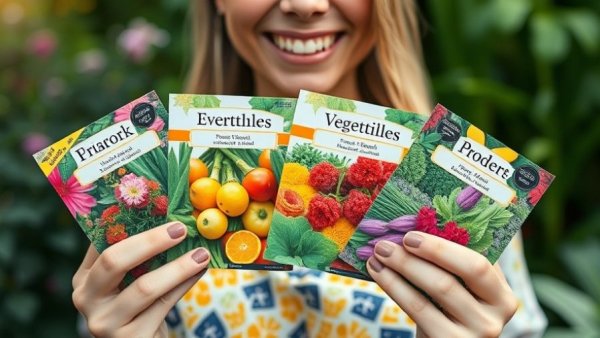
Update Unveiling 50+ Exciting New Seed Varieties for 2027 As the holiday season approaches, it's the perfect time for gardeners to prepare for the upcoming planting season. This year, Botanical Interests has rolled out its most extensive collection yet, featuring more than 50 brand new seed varieties, each poised to enhance gardens and enrich the gardening experience. From unique herbs to vibrant flowers and nutritious vegetables, the newfound selection is designed with urban gardeners in mind, especially those in tight spaces like Metro Vancouver.In 'We Just Launched 50+ NEW Seeds For 2027...', the discussion dives into incredible new seed offerings, exploring key insights that sparked deeper analysis on our end. Why This Year’s Collection is Special The 2027 seed catalog is bursting with options that promise to rejuvenate your urban garden. Many of these seeds boast high germination rates, satisfying expectations for home growers. For instance, the artisan echinacea stands out with its single-color blooms that flower in the first year—a rarity among hybrid varieties. This means thriving blooms within a single growing season, allowing urban dwellers to enjoy beautified balconies and small garden beds. Unique Vegetables to Consider for Your Garden Vancouver residents will appreciate the versatility of new vegetable choices. The Amish Paste and Mortgage Lifter tomatoes are not just delicious—they also tell a story of gardening heritage and success. The Amish Paste is well-known for its sauce-making qualities, while the Mortgage Lifter has an inspiring backstory of farmers paying off their mortgages through the sale of these exceptional tomatoes. Another noteworthy mention includes the shallot crème brulee onion. With its beautiful creamy color and multifaceted culinary uses, this shallot adds flair to any dish. Its multi-purpose nature is a boon especially for urban dwellers looking for flavorful yet space-efficient crops. Flowering Beauties for Urban Spaces Among the flower offerings, the fizzy white cosmos dominates with its charming textures and prolific blooms. This variety is perfect for small garden spaces, providing lushness without demanding too much real estate. The pansy collection, with varieties like Frizzle Sizzle Lemon Berry and Matrix Rose Blotch, offers an exciting avenue to add color and seasonal interest to any garden. Eco-Friendly Gardening Options Urban gardeners can also indulge in eco-conscious practices by selecting varieties like the drought-tolerant Navajo Yellow melon. This variety is not only flavorful but requires less water, making it a superb choice for environmentally friendly gardening in Vancouver's climate. Embracing such varieties can save resources and contribute to a sustainable garden environment. Promotions to Jumpstart Your Gardening Adventure Now's a great time to dive into gardening, especially with the Black Friday and Cyber Monday discounts from Botanical Interests, where you can snag up to 20% off your order. This includes an exciting opportunity: spend $75 or more and receive a best sellers bundle of seeds, perfect for anyone looking to make the most out of their small space. So, why wait? Explore the digital catalog or request a print version, and start planning your 2027 garden today! Conclusion: Get Ready to Grow! With an impressive range of new seeds, Botanical Interests has created a cornucopia of gardening possibilities for the coming season. Whether you’re turning a balcony into a blooming paradise or introducing fresh vegetables into your kitchen ecosystem, there’s something for every urban gardener in this year’s collection. Take the leap and incorporate these innovative options into your gardening plans—happy planting!

About This Site

This Metro Vancouver Urban Oasis blog and resource site will focus on urban gardening and small-space living solutions tailored for Metro Vancouver homes and residents. Our content will provide practical, space-saving gardening tips, landscaping, and interior design advice, catering to city dwellers with limited space but a passion for enhancing their indoor and outdoor environments.

COMPANY

  • Privacy Policy
  • Terms of Use
  • Advertise
  • Contact Us
  • Menu 5
  • Menu 6

6048250431

AVAILABLE FROM 8AM - 5PM

Surrey, BC

, ,

ABOUT US

We differentiate ourselves by offering hyper-localized content that addresses the specific climate, space constraints, and lifestyle of Metro Vancouver residents. Our expert advice on vertical gardening, balcony transformations, and indoor plant care sets us apart from broader home and garden media.

© 2026 CompanyName All Rights Reserved. Address . Contact Us . Terms of Service . Privacy Policy

Terms of Service

Privacy Policy

Core Modal Title

Sorry, no results found

You Might Find These Articles Interesting

T
Please Check Your Email
We Will Be Following Up Shortly
*
*
*