
cropper

VancouverUrbanOasis

  • Home
  • Categories
    • Vertical Gardens
    • Balcony Bliss
    • Indoor Oasis
    • Seasonal Tips
    • Expert Insights
    • Eco Living
    • Small Yard Transformations
    • Kitchen & Bath
    • BC Home Trends
    • Budget DIY Projects
    • Edible Gardens
  • Gardening Tips
  • Featured Business
November 12.2026
3 Minutes Read

Unlock Gardening Potential: Feed Your Crops Kitchen Scraps for Thriving Plants

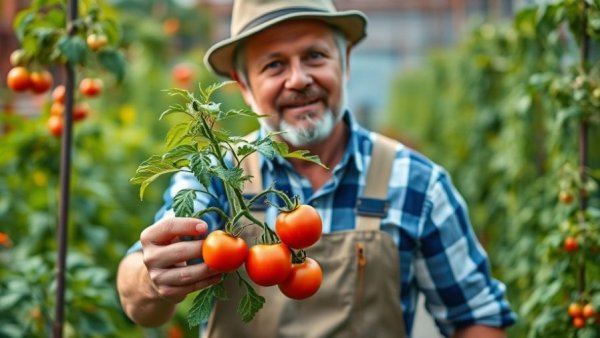
Gardener holding tomato plant, explaining growth in garden.

Transforming Kitchen Scraps into Garden Gold

If you're a resident of Metro Vancouver looking to maximize your gardening efforts in small spaces, the idea of feeding your crops kitchen scraps might just spark your interest. In a recent video titled I fed my crops kitchen scraps..., the process of recycling organic waste into nutrient-rich fertilizer demonstrates a sustainable approach that not only benefits your garden but also reduces landfill waste. This concept resonates well within our community, promoting a greener lifestyle that is both practical and eco-friendly.

In the video titled I fed my crops kitchen scraps..., the discussion centers on sustainable gardening practices that inspire us to consider our own eco-friendly efforts.

The Value of Kitchen Scraps

Many might overlook kitchen scraps as mere waste, but items like vegetable peels, eggshells, and coffee grounds hold considerable value for your plants. These materials can enhance soil fertility, improve moisture retention, and even deter pests when used correctly. Engaging in this practice allows gardeners in Metro Vancouver to create a mini-ecosystem where waste is transformed into nourishment.

Small Space Solutions: Container Gardening

In cities where space is a premium, container gardening provides an ideal way to cultivate your own crops. Utilizing pots or vertical gardening techniques, residents can grow herbs, tomatoes, or leafy greens right on a balcony or patio. By incorporating kitchen scraps into this setup, you can not only enrich your soil but also enhance the flavor and health of your crops.

Actionable Tips for Using Kitchen Scraps

To get started, here are some practical insights for Metro Vancouver residents eager to convert kitchen scraps into beneficial compost:

  • Composting Basics: Collect your kitchen scraps in a dedicated compost bin. Keep a balance of greens (nitrogen-rich materials) and browns (carbon-rich materials) for optimal composting.
  • Use Eggshells: Crush and sprinkle eggshells around your plants. They provide calcium, which helps in cell wall structure and growth.
  • Banana Peels for Blooms: Chop banana peels and bury them in the soil. They contain potassium, which is essential for flowering plants.

Common Misconceptions about Composting

Many people are hesitant to compost due to fears of pests or odors. However, when done correctly, composting kitchen scraps does not attract harmful insects, and proper ventilation helps to manage any potential smell. It's important to understand that composting is an eco-friendly practice that supports our local ecosystem while providing a bountiful harvest right from your backyard.

Connecting with the Community: Share Your Journey

One of the beautiful aspects of gardening is that it connects us to our community. Sharing your experiences of using kitchen scraps for gardening not only helps others learn but also fosters a sense of belonging among fellow green thumbs. Consider starting a local gardening group or joining existing ones to exchange tips and celebrate your successes together.

In a world increasingly focused on sustainability, adopting practices like feeding crops kitchen scraps can make a positive impact. So, why not dive into this eco-friendly gardening strategy? You might find that your small space can yield delicious produce while also contributing to a greener Metro Vancouver!
Gardening Tips

0 Views

0 Comments

Write A Comment

*
*
Please complete the captcha to submit your comment.
Related Posts All Posts
11.11.2026

Unlocking the Secrets of Urban Gardening: A Two-Year Crop Journey

Update Growing Patience: The Journey of a Two-Year Crop Gardening isn’t just about digging in the dirt and watching seeds sprout; it’s a journey that can teach us about patience and seasonal rhythms. In the video I waited 2 YEARS to harvest this crop…, the artist shares a compelling tale of cultivating a crop that took a full two years to yield. This kind of commitment not only cultivates a rewarding experience but can also provide valuable lessons for both novice and seasoned gardeners.In the video I waited 2 YEARS to harvest this crop…, the discussion dives into the fascinating world of long-term gardening, offering insights that sparked deeper analysis on our end. Why Choose a Long-Term Crop? Long-term crops require dedication but often yield extraordinary results. In urban gardening, where space is limited, choosing to grow something that takes time can be both a gamble and a worthy investment. Crops such as fruit trees or perennial vegetables not only add beauty to your small space but can produce harvests year after year, making them well worth the wait. Space-Saving Tips for Urban Gardens For residents of Metro Vancouver looking to maximize their limited gardening space, there are effective strategies to consider. Vertical gardening, for instance, allows you to grow plants upwards instead of outwards. Utilizing walls, balconies, and even fences can create lush green spaces without sacrificing essential ground area. Hanging pots or using tiered planters can help elevate smaller plants, providing more space for your long-term crops. Inspiration from the Community The experience shared in the video is reflective of many urban gardeners who often share their own stories of triumph and challenge. Engaging with your community, whether through local gardening clubs or social media groups, can provide insights and encouragement. Regularly seeing the progress of fellow gardeners can provide inspiration and patience as you await your own harvests. Harvesting Rewards and Building Community When the time finally comes to harvest, the sense of accomplishment is palpable. There’s a profound satisfaction in enjoying the fruits (or vegetables) of your labor, especially when it takes years to come to fruition. Additionally, sharing your harvest with neighbors or local food banks maintains a community spirit, reinforcing connections while promoting a greener lifestyle. Get Started with Urban Gardening! For those eager to step into the world of gardening, remember that every gardener was once a beginner. Start small, be patient, and consider experimenting with both short- and long-term crops. Take the time to nurture your plants, and you may find that gardening becomes not just a hobby, but a passion that nourishes your soul along with the earth! Feeling inspired? Whether you’re ready to plant your next crop or need tips for managing your space better, dive deeper into urban gardening techniques and join the community that thrives on patience, creativity, and sustainability!

11.09.2026

Turn Your Fence into a Fruit Factory: Grow Edible Gardens in Small Spaces

Update Transforming Fences into Fruit Factories: A Fruitful Adventure In the realm of urban gardening, creativity knows no bounds. Imagine turning a once-plain fence into a vibrant fruit factory right in your backyard! For residents of Metro Vancouver, where space is often at a premium, this innovative idea not only maximizes the use of available space but adds a splash of color and nutrition to your home.In 'I turned my fence into a fruit factory...', the discussion dives into innovative concepts for urban gardening, drawing attention to how such transformations can yield delicious results in small spaces. Conquering Small Spaces with Vertical Growth Urban gardeners frequently face the challenge of limited space, especially in densely populated areas like Metro Vancouver. However, vertical gardening has emerged as an ingenious solution. By installing planters on fences or utilizing wall-mounted containers, individuals can cultivate a bountiful harvest without sacrificing ground space. Strategies to grow climbing plants, such as tomatoes, peas, and even strawberries, can transform a functional fence into a productive garden. With careful planning and a little bit of effort, your vertical garden can yield fresh produce all season long. Benefits of Homegrown Fruits: Delicious and Nutritious As more people turn to home gardening, the benefits of growing your own fruits cannot be overstated. First and foremost, homegrown fruits are fresher, allowing for maximum flavor and nutrition. You control what goes into your soil, which means no pesticides or harmful chemicals, just pure, delicious produce. There’s also something incredibly fulfilling about biting into a juicy, sun-ripened strawberry or tomato that you’ve nurtured from seed to harvest. It fosters a connection to nature and brings a sense of accomplishment that store-bought fruits simply can’t match. Budget DIY Projects: Creating Your Own Planters Creating your own planters can be both economical and fun. Upcycling old materials, such as pallets or wooden crates, allows you to build unique vertical gardens without breaking the bank. You can find free resources online for DIY planter ideas that are applicable for both novice gardeners and seasoned pros. With a few simple tools and some creativity, your fence can turn into more than just a boundary; it can be a bridge to a healthier lifestyle. Encouraging Community Connections Gardening inspires community engagement. When your fence is bustling with fruits, neighbors are sure to stop by and admire your handiwork. This can lead to vibrant community conversations about gardening, sharing tips, and even trading produce! In a city like Vancouver, where many live in apartments and condominiums, transforming fences into productive spaces sets an example for others, promoting sustainable living within the community. Conclusion: Let’s Grow Together If this article has sparked your interest in transforming your living space into a fruit-laden haven, why not give it a try? Turning fences into fruit factories can be a fun project that produces both delicious fruits and meaningful connections. Don’t hesitate—start planning your vertical garden today and become part of the growing community of urban gardeners!

11.01.2026

What Should You Bury Under Your Crops? Effective Gardening Insights

Update Unearthing Gardening Myths: What Should You Bury Beneath Your Crops? Have you ever wondered what you can bury under your crops to boost their growth? In a recent video titled Everything You Can Bury Under Crops Ranked, gardeners Jacques and his colleague sift through an array of unconventional practices that have been recommended over the years. From banana peels to rusty nails, they rank these practices from ineffective to effective. This article synthesizes their insights for those of you in Metro Vancouver looking to maximize your small space gardens.In Everything You Can Bury Under Crops Ranked, the discussion dives into unconventional gardening practices, exploring key insights that sparked deeper analysis on our end. Banana Peels: A Surprisingly Average Option Many gardeners tout banana peels as a natural fertilizer, suggesting burying them near plant roots. According to Jacques, while banana peels are organic and break down easily, they do require proper preparation for effectiveness. Chopping them up or using compost is recommended for quicker nutrient release. Thus, they rest at a C tier—not a waste, yet not particularly effective either. Eggshells: The Calcium Conundrum Next on the list are eggshells, which some claim can provide necessary calcium for plants. However, Jacques warns against this common misconception; eggshells take too long to decompose in the soil. If crushed or processed properly, they might find a use in the garden, but the original method falls into the D tier due to its inefficiency. Instead, creating a calcium solution using vinegar is an alternative to explore. Fish Remains: A Nutrient Powerhouse? Using fish scraps in the garden can sound dubious, yet it ranks higher on the scale. When buried correctly with lime to prevent pests, fish can enrich the soil with essential nutrients like nitrogen. However, Jacques advises waiting until the next season before planting directly above; placing them immediately may hinder plant growth initially. This method garners a respectable B tier rating. Epsom Salt: The Overlooked Miracle? Contrary to popular belief, Epsom salt does not contribute critical nutrients to plant growth, as plants seldom face magnesium deficiency. Jacques suggests this practice may actually harm crops, earning it a D tier rank for gardeners who seek a more targeted approach to plant health. Composting: Your Best Bet for Garden Health Amidst all buried materials, Jacques advocates composting as the king of enriching techniques. Composting not only breaks down organic matter, allowing nutrients to become bioavailable, but also feeds beneficial microorganisms that support soil health. For Metro Vancouver residents, investing time in a composting system could yield the most substantial benefits for your urban garden. Conclusion: Be Strategic with Your Burying Choices It's essential to separate fact from fiction when considering what to bury under your plants. While some methods may hold tidbits of truth, the overwhelming evidence suggests that many popular practices lack efficiency or can be counterproductive. Remember, successful gardening in urban environments often hinges on smart and informed practices. If you're ready to transform that small space into a flourishing edible garden, take these insights into your own gardening adventures. Happy planting!

About This Site

This Metro Vancouver Urban Oasis blog and resource site will focus on urban gardening and small-space living solutions tailored for Metro Vancouver homes and residents. Our content will provide practical, space-saving gardening tips, landscaping, and interior design advice, catering to city dwellers with limited space but a passion for enhancing their indoor and outdoor environments.

COMPANY

  • Privacy Policy
  • Terms of Use
  • Advertise
  • Contact Us
  • Menu 5
  • Menu 6

6048250431

AVAILABLE FROM 8AM - 5PM

Surrey, BC

, ,

ABOUT US

We differentiate ourselves by offering hyper-localized content that addresses the specific climate, space constraints, and lifestyle of Metro Vancouver residents. Our expert advice on vertical gardening, balcony transformations, and indoor plant care sets us apart from broader home and garden media.

© 2026 CompanyName All Rights Reserved. Address . Contact Us . Terms of Service . Privacy Policy

Terms of Service

Privacy Policy

Core Modal Title

Sorry, no results found

You Might Find These Articles Interesting

T
Please Check Your Email
We Will Be Following Up Shortly
*
*
*