
cropper

VancouverUrbanOasis

  • Home
  • Categories
    • Vertical Gardens
    • Balcony Bliss
    • Indoor Oasis
    • Seasonal Tips
    • Expert Insights
    • Eco Living
    • Small Yard Transformations
    • Kitchen & Bath
    • BC Home Trends
    • Budget DIY Projects
    • Edible Gardens
  • Gardening Tips
  • Featured Business
September 06.2025
3 Minutes Read

Winning the Battle: How to Identify and Manage Invasive Plants

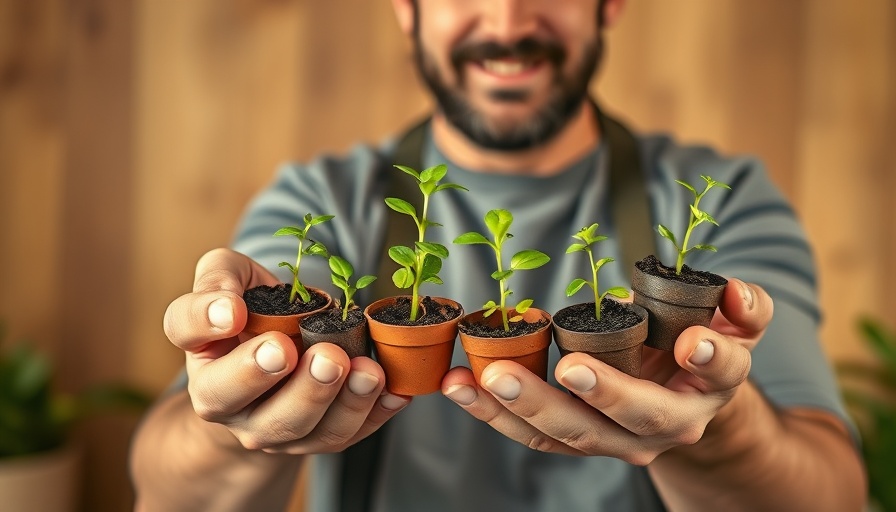
Man discussing invasive plants in a garden, holding seedlings.

Unwanted Guests: The Battle Against Invasive Plants

When it comes to gardening in Metro Vancouver, everyone knows that not all plants are created equal. Among them, some are benign, while others are downright villainous. The video titled This plant is my nemesis... brings to light a common plight faced by many—dealing with invasive plants that can take over a garden space, sniping the attention and resources away from your beloved plants. Today, let’s explore the intricacies of identifying and managing these troublesome invaders so that you can safeguard your green space.

In the video titled This plant is my nemesis..., the discussion highlights the issues surrounding troublesome invasive plants, prompting us to delve deeper into effective management strategies for gardening in urban spaces.

Identifying the Enemy: Common Invasive Species

Invasive plants can wreak havoc on your backyard oasis. They often outgrow and overshadow native species, disrupt local biodiversity, and even cause structural damage to gardens. Some of the most notorious offenders in Metro Vancouver include Japanese Knotweed, English Ivy, and Himalayan Blackberry. Knowing how to identify these invasive species is your first line of defense. For example, Japanese Knotweed has bamboo-like stems and grows rapidly during the summer months, while English Ivy clings to everything, forming a dense mat that shades out other plants.

Why You Should Care: The Social Connection

Managing invasive species in our small garden spaces isn’t just about aesthetics; it’s essential for local ecology. These plants can disrupt the natural food web and harm local wildlife, including pollinators. By removing invasive species, you contribute to the overall health of your ecosystem, ensuring that native flora and fauna have the room to thrive. This fosters a vibrant garden community that enhances biodiversity not only within your yard but throughout the neighborhoods of Metro Vancouver.

Practical Tips for Eradicating Invaders

Eradicating invasive plants may seem daunting, but with practical tips, it can be an achievable goal. Start by pulling them out by hand, making sure to get the roots to prevent regrowth. For large infestations, consider safe herbicides or eco-friendly alternatives. Always check local regulations before using chemicals, and consider contacting local gardening clubs for recommendations. When removing invasives, replace them with native plants that can better support your local ecosystem. Not only will this provide a more attractive landscape, but it will also promote a healthier environment.

Future Trends in Urban Gardening

As gardening becomes more popular in our urban settings, the focus on sustainable practices is rising. This includes a greater awareness of the importance of native plants and maintaining biodiversity. Community gardens and local initiatives are increasingly emphasizing education on invasive species and encouraging residents to engage in collective efforts. By talking to your neighbors and sharing experiences, you can create a supportive community that values local ecology and sustainable gardening practices.

Conclusion: Stand Up Against Invasives

Metro Vancouver residents have a unique opportunity to shape their gardening practices by addressing the challenges posed by invasive plants. Understanding who your enemies are and how to deal with them enables you to foster a thriving garden that benefits not only you but the community at large. As you plan your next gardening project, consider implementing these strategies and inspire others to join in the fight against invasive plants!

Gardening Tips

5 Views

0 Comments

Write A Comment

*
*
Please complete the captcha to submit your comment.
Related Posts All Posts
09.26.2026

Transform Your Small Space with Unique Gardening Ideas Like Rare Sticks

Update Exploring Unique Gardening Ideas for Small Spaces In metro areas like Vancouver, gardening can be quite the challenge, especially for residents with limited outdoor space. However, as presented in the engaging short video titled "I planted 'rare sticks'", we discover that creativity knows no bounds when it comes to urban gardening. Here, we delve into the innovative ideas and practices that can transform even the smallest of balconies or yards into flourishing green sanctuaries.In 'I planted "rare sticks"', the video dives into innovative urban gardening techniques, inspiring our deeper analysis on creative ideas to thrive in limited spaces. Finding Inspiration in Innovative Plants The idea of planting rare sticks—such as unusual succulents or eye-catching shrubs—adds an exciting twist to traditional gardening approaches. These unique plants capture attention and can thrive in confined spaces, making them perfect for urban settings. By introducing plants with distinctive shapes and colors, gardeners can elevate their little patches of earth, bringing vibrant life to their home environment. Maximizing Space: Vertical and Container Gardening For many city dwellers, one of the best strategies is to utilize vertical gardening techniques. This involves growing plants upwards, allowing for more greenery without occupying precious ground space. Vertical gardens can be constructed using wall planters, hanging pots, or even repurposed items like wooden crates. Additionally, container gardening offers flexibility; residents can choose pots that match their aesthetic while ensuring that their plants receive sunlight and water as needed. Practical Tips for Urban Gardening Success To thrive as a gardener in a tight spot, consider these practical insights: Soil Selection: Choose a high-quality potting mix designed for containers to maximize growth potential. Watering Wisely: Urban gardeners often face drier conditions. Watering consistently is key, but ensure not to overwater, which can harm your plants. Light Awareness: Assess the light availability in your space; different plants require varying amounts of sunlight. Composting: For eco-conscious individuals, starting a small compost bin can provide nutrient-rich soil for your greenery. Seasonal Trends in Gardening The trending topic of how to make the most of gardening throughout the seasons also plays a significant role in urban spaces. Understanding seasonal planting can lead to thriving green spaces year-round. Whether it’s springtime planting of colorful flowers, summer vegetables, or winter hardy plants, each season has its own gardening charm that can be exploited. Creating a Sense of Community through Gardening Finally, urban gardening can foster community and connection. Many metro Vancouver residents have started mini-gardening clubs or community gardens where neighbors come together to share resources, tips, and produce. This not only enhances individual gardens but builds bonds among neighbors and encourages sharing local, organic food. In sum, embracing unique gardening ideas such as planting rare sticks can inspire creativity and encourage sustainable practices in urban settings. With space-saving techniques and innovative plant choices, the possibilities for green living in cities are endless!

09.25.2026

Growing Your Own Candy: Tips for Metro Vancouver's Small Space Gardeners

Update Gardening in Small Spaces: A Sweet Adventure In the heart of Metro Vancouver, amidst the hustle and bustle of city life, urban gardening has found its niche, transforming balconies, rooftops, and small yards into edible paradises. One innovative approach that has caught the attention of local residents is growing your own candy—yes, you heard that right! Edible gardens that include plants like strawberries and certain varieties of sweet peppers can provide the pleasure of home-grown treats right in your own backyard.In 'I grew my own candy...', the discussion dives into urban gardening, exploring key insights that sparked deeper analysis on our end. Why Grow Your Own Candy? The idea of cultivating your own candy is not just about satisfying a sweet tooth; it's also about reconnecting with nature. Engaging in gardening has numerous benefits: it promotes mental well-being, offers exercise, and creates a sense of accomplishment. Growing edible plants that can sweeten your day brings a unique joy—imagine stepping outside and plucking a ripe strawberry or a sun-kissed cherry tomato to eat fresh off the vine! Simple Steps to Start Your Edible Garden Creating your own candy garden is easier than you might think. Here are some straightforward steps to kick off your gardening journey: Choose a Suitable Space: Look for areas in your home where sunlight greets you with open arms for at least 6-8 hours a day. Select Plants Wisely: Opt for fruits like strawberries, sweet cherry tomatoes, or even edible flowers such as nasturtiums that are colorful and can add a pop to your dishes. Containers are Key: If you have limited space, consider using pots or vertical gardens that allow you to maximize your growing area without occupying much ground space. The Benefits of Vertical Gardening For Metro Vancouver residents with small yards or balconies, vertical gardening is a game-changer. This technique not only saves space but also allows for better airflow around your plants, reducing the risk of diseases. You can use wall-mounted planters, shelves, or even repurpose old pallets to create a stunning vertical garden loaded with vibrant edible plants. A Community Connection Urban gardening is not only an individual pursuit but also a wonderful way to build community. Connecting with neighbors who share similar interests can lead to seed exchanges, gardening tips, and even the joy of sharing your home-grown treats. Local gardening groups in Metro Vancouver often host workshops where you can learn more about urban farming techniques, making it easier for everyone to embark on their own sweet gardening journeys. Taking Your First Steps If you're feeling inspired to start your own candy garden, consider visiting local farmer's markets or garden centers for guidance and great plant choices. And don’t forget to share your progress with your friends and family. The joy of gardening is even sweeter when shared!

09.22.2026

Don’t Buy $6 Plants! Grow 50 in a Milk Jug for Sustainable Gardening

Update Transform Your Living Space with Budget-Friendly Gardening In today's fast-paced urban life, many residents of Metro Vancouver are seeking ways to enhance their small living spaces while being mindful of their budget. One inventive solution lies in the imaginative realm of container gardening, specifically utilizing everyday materials like milk jugs to grow fresh plants at home. This not only fosters a connection with nature but also promotes sustainability and self-sufficiency, essential pillars in today’s eco-conscious society.In 'Don't Buy $6 Plants! Grow 50 in a Milk Jug', the video introduces innovative container gardening techniques, prompting us to explore practical strategies for enhancing small living spaces. Discover the Benefits of Growing Your Own Plants Residents often overlook the numerous advantages of cultivating their own plants, especially in compact living spaces. Homegrown herbs and vegetables can offer significant health benefits, enhancing your diet with fresh, organic produce right at your fingertips. Besides the nutritional perks, growing your own plants can foster a sense of accomplishment and reduce stress levels—a therapeutic remedy many are searching for in their busy lives. Get Started: Steps for Growing Plants in Milk Jugs Utilizing milk jugs to grow plants is a fun and easy DIY project. First, thoroughly clean the milk jug, ensuring no residual substances remain. Cut the jug in half and fill the bottom half with potting soil, leaving some space at the top. Plant your chosen seeds, whether herbs like basil or veggies like tomatoes, and fill the jug with water. Then, cover the top half to maintain moisture and warmth, creating a mini greenhouse effect. Voila! You now have a sustainable gardening practice that can flourish even in limited space. Sustainability meets Style: Why Upcycling Matters Incorporating upcycled materials into your home design is a creative way to enhance aesthetics and embrace eco-friendly practices. By repurposing items such as milk jugs, you not only decrease household waste but also cultivate a personal style that reflects your commitment to sustainability. This approach aligns beautifully with contemporary trends in home design, where resourcefulness and imagination reign supreme. Engaging with Your Local Community As we delve into gardening and sustainability, we must acknowledge the community aspect of these endeavors. Joining local gardening clubs or workshops offers a wealth of knowledge and a platform for sharing experiences. Metro Vancouver residents can exchange tips, plant cuttings, and gardening insights while fostering connections with fellow enthusiasts. It’s an opportunity to combine instant gratification with the social aspect of local production. Reimagining Small Spaces: Practical Tips for Vertical Gardens For residents whose spaces are even more confined, vertical gardening offers a savvy alternative. Utilizing wall-mounted planters, hanging baskets, and tiered shelving can transform a bland wall into a lush, vibrant garden. This approach maximizes limited space while adding a burst of color and life to your surroundings, creating a beautiful indoor oasis. Future Trends in Home Gardening As urban living continues to evolve, the shift towards sustainable, self-sufficient gardening practices is evident. Experts predict a rise in technology-driven gardening solutions, such as smart planters with built-in sensors that monitor soil moisture and nutrients. These innovations can further facilitate the gardening experience, making it accessible and enjoyable for everyone, irrespective of their gardening skills. Final Thoughts: Take Action and Start Your Garden Today! Creating a small garden using recycled materials not only aligns with sustainable living practices but also transforms your space into an edible oasis. Whether you're cultivating herbs on a windowsill or transforming a balcony into a floral retreat, the possibilities are endless. Why wait for the perfect moment? Start your journey towards a greener home today!

About This Site

This Metro Vancouver Urban Oasis blog and resource site will focus on urban gardening and small-space living solutions tailored for Metro Vancouver homes and residents. Our content will provide practical, space-saving gardening tips, landscaping, and interior design advice, catering to city dwellers with limited space but a passion for enhancing their indoor and outdoor environments.

COMPANY

  • Privacy Policy
  • Terms of Use
  • Advertise
  • Contact Us
  • Menu 5
  • Menu 6

6048250431

AVAILABLE FROM 8AM - 5PM

Surrey, BC

, ,

ABOUT US

We differentiate ourselves by offering hyper-localized content that addresses the specific climate, space constraints, and lifestyle of Metro Vancouver residents. Our expert advice on vertical gardening, balcony transformations, and indoor plant care sets us apart from broader home and garden media.

© 2026 CompanyName All Rights Reserved. Address . Contact Us . Terms of Service . Privacy Policy

Terms of Service

Privacy Policy

Core Modal Title

Sorry, no results found

You Might Find These Articles Interesting

T
Please Check Your Email
We Will Be Following Up Shortly
*
*
*