
cropper

VancouverUrbanOasis

  • Home
  • Categories
    • Vertical Gardens
    • Balcony Bliss
    • Indoor Oasis
    • Seasonal Tips
    • Expert Insights
    • Eco Living
    • Small Yard Transformations
    • Kitchen & Bath
    • BC Home Trends
    • Budget DIY Projects
    • Edible Gardens
  • Gardening Tips
  • Featured Business
August 22.2026
3 Minutes Read

Creative Ways to Transform Your Wasted Side Yard Space Fast

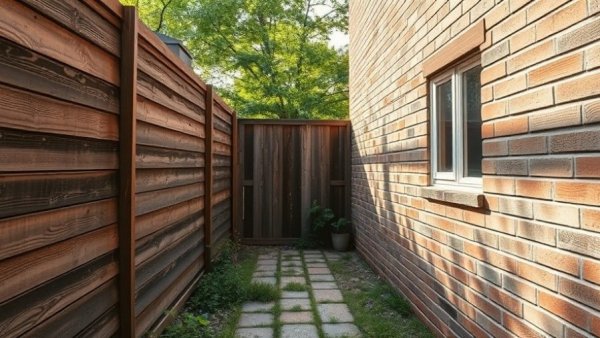
Fix Your Wasted Side Yard Space by using narrow gardening designs.

Transforming Wasted Side Yard Space: A Guide for Vancouver Residents

In the hustle and bustle of city living, finding innovative ways to maximize outdoor space can feel like an impossible task. Many residents of Metro Vancouver find themselves staring at an underutilized side yard, wondering how to make the most of this often-overlooked area. Recently, a viral video titled Fix Your Wasted Side Yard Space Fast suggests creative methods to transform these tiny patches of land into stunning gardens or functional areas. Let's explore how to reclaim the neglected spaces in your yard and turn them into practical and beautiful additions to your home.

In Fix Your Wasted Side Yard Space Fast, the video discusses innovative designs for transforming neglected outdoor areas, inspiring us to explore further how these ideas can be applied in our own homes.

Practical Tips for Side Yard Success

To start off, consider incorporating vertical gardens into your side yard. Utilizing walls and fences, you can create lush displays of greenery that not only beautify the space but also provide excellent insulation and air quality benefits. Herbs, flowers, or even vegetables can thrive in these vertical setups, thereby turning your wasted space into a productive garden.

Another effective strategy is to utilize multi-functional furniture. For example, consider adding a foldable table that can serve as both a dining area or a workspace, allowing you to enjoy the outdoors while saving space. By incorporating such elements, you can enjoy meals under the open sky or engage in hobbies like gardening with ease.

Making the Most of Limited Space

Small outdoor areas can be daunting, but with a little creativity, they can become desirable extensions of your home. An intriguing idea is to create themed zones within your side yard. For instance, consider designating a spot for relaxation by adding comfortable seating, ambient lighting, and perhaps a small fire pit. In another area, you could cultivate a small vegetable patch or flower garden. This segmentation allows you to make the most out of every inch of space, leading to a more enjoyable environment.

Common Misconceptions About Side Yard Utilization

One common misconception is that side yards aren’t suitable for larger plants or trees due to limited sunlight. However, many native plants thrive in partial shade and can beautifully adorn the area. Exploring the flora that suits your side yard's conditions could enhance your garden’s diversity while ensuring it flourishes.

Furthermore, another myth is that side yards must remain purely functional. In reality, they can also serve as a personal retreat. Add decorative elements such as a small fountain or garden décor to create a welcoming atmosphere that invites relaxation and enjoyment.

Embracing Sustainability in Your Design Choices

As we look towards creating impactful spaces, integrating eco-friendly practices becomes crucial. Consider using reclaimed materials for future projects, which not only reflect your personal style but also benefit the environment. Simple additions like rain barrels for garden watering or compost bins can turn your side yard into a sustainable oasis.

Moreover, planting native species can significantly reduce water usage and chemical fertilizers while attracting local wildlife, transforming your side yard into a vibrant ecosystem.

The Future of Small Space Design

As urban spaces continue to grow more compact, the importance of maximizing every inch becomes increasingly clear. The tips discussed are just the beginning. Innovation in design trends continues to evolve, and keeping an eye on emerging techniques will provide additional means to enhance your living space.

Embracing these exciting design changes can lead to not only a beautiful addition to your home but a sense of community as neighbors admire your creativity and hard work.

In conclusion, transforming your wasted side yard doesn't have to be overwhelming. With some creative thinking and a little effort, you can turn these spaces into functional and aesthetically pleasing parts of your home. If you're intrigued by the ideas and want to start making changes, why not begin planning your side yard transformation today?

Gardening Tips

14 Views

0 Comments

Write A Comment

*
*
Please complete the captcha to submit your comment.
Related Posts All Posts
11.19.2026

Discover How to Grow Your Own Bread Ingredients in Small Gardens

Update The Joy of Homegrown Bread: A Garden Adventure Imagine the satisfaction of biting into a piece of fresh bread, knowing it was made with ingredients you nurtured from your own garden. In Metro Vancouver, where urban space is often limited, growing your own food has become a rewarding trend. In the video, "I grew my own bread…", viewers are taken on a concise journey of how one can cultivate ingredients for bread in small spaces, emphasizing the thrill of urban gardening.In 'I grew my own bread…', the discussion dives into urban gardening, exploring key insights that sparked deeper analysis on our end. Why Growing Your Own Ingredients Matters Growing your own food not only promotes sustainability but also creates a deeper connection to what you consume. For Metro Vancouver residents with a love for gardening, cultivating essentials for homemade bread, like wheat, herbs, or even wild yeast, offers a tangible way to contribute to a sustainable lifestyle. As many of us seek healthier eating options, relying on homegrown produce can lead to delicious and organic culinary experiences. Small Space, Big Dreams: Setting Up Your Urban Garden Space constraints shouldn't deter you from gardening. Here are a few tips for transforming small areas into flourishing gardens: Choose the Right Containers: Using pots and raised beds can maximize available space. Look for materials that retain heat and moisture, such as terracotta or fiberglass. Opt for Vertical Gardening: Growing vertically allows you to produce more in less area. Consider wall-mounted planters or hanging pots to plant your herbs and grains. Start with Easy-to-Grow Crops: Herbs like basil, oregano, and thyme are fantastic starting points for beginners. You can also experiment with dwarf varieties of grains if you have enough sunlight. Engaging With Your Community: Share and Thrive One of the greatest joys of gardening is sharing your successes and failures with others. Join local gardening clubs or participate in community gardening events in Vancouver. These connections not only provide motivation but also allow you to swap gardening tips and even seeds! Your Next Steps: How to Begin Cultivating Bread Ingredients If you’re inspired by the idea of growing your own food, take the plunge! Start with small pots of herbs on your balcony or windowsill, and as they flourish, you can explore incorporating more complex projects like growing wheat. This not only provides fresh ingredients for homemade bread but also connects you with nature right in your urban environment. As you consider starting your own edible garden, remember that the joy of homegrown bread begins with a single seed. Start small, and as your green thumb grows, so will your passion for urban gardening. Have you thought about starting a garden in your small space? If so, take this inspiration to cultivate delicious foods from your yard!

11.14.2026

Discover the Thrill of Grafting: Grow Your Own Tomtato This Season!

Update Unlocking the Tomtato: A Creative Harvesting Adventure For those seeking innovative solutions to urban gardening in small spaces, the concept of grafting a tomato onto a potato to create a "Tomtato" is an absolute delight. Imagine savoring the fruits of your labor with fresh ketchup made from tomatoes growing right alongside crispy fries from homegrown potatoes—all from one plant. Jacques from Epic Gardening showcases this intriguing process in his video, and we're here to delve deeper into the benefits, methods, and the excitement surrounding this unique gardening technique.In 'I Grew Tomatoes and Potatoes on the Same Plant', the discussion dives into the exciting world of grafting, exploring key insights that sparked deeper analysis on our end. Understanding Grafting: It’s Easier Than You Think Grafting, the process of joining two plants together to grow as one, can seem daunting, but it’s achievable without special tools. By carefully pairing potato and tomato stems, gardeners can create a combined plant that produces delicious results. The key steps involve trimming the stems, aligning their diameters, and securely wrapping the graft site to ensure a healthy union. This beginner-friendly technique can empower Metro Vancouver residents living in condo balconies or compact backyards to maximize their gardening efforts. Caring for Your Tomtato: Essential Tips for Success Once you've created your graft, nurturing your Tomtato is crucial. Providing adequate water, fertilizer, and sunlight will help both the tomato and potato thrive. Since potatoes can stop growing if the environment is too competitive, pruning excess potato leaves can allow your grafted plant to focus its energy on producing more tomatoes. This insight ensures that there’s a balance, preventing the plants from overshadowing each other in terms of growth. The Thrill of Anticipation: Harvesting Your Tomtato As the growing season unfolds, the excitement builds while waiting for the first signs of tomatoes and potatoes alike. As Jacques demonstrates, the first harvests can yield around 2 lbs of tomatoes and a healthy amount of potatoes. However, this unique growing experience isn't just about quantity—it's about the joy and satisfaction of tasting ketchup made from homegrown tomatoes paired with fries from your own garden. Recognizing the Challenges: Understanding Crop Limitations While the grafting of tomatoes and potatoes opens doors to exciting culinary possibilities, gardeners must recognize potential limitations. As with any experiment, results can vary based on the type of potato used. For instance, determinate potatoes, such as Yukon Gold, may produce fewer tubers than indeterminate varieties. Gardening enthusiasts can take notes on these factors to adapt their techniques in subsequent years, ensuring a more fruitful experience. Final Thoughts: Is Grafting Right for You? If you’re curious about the Tomtato phenomenon and how it can enhance your small-space gardening, consider giving grafting a try. As we’ve explored, while there are challenges and important lessons learned, the ability to grow both tomatoes and potatoes provides a delightful, sustainable approach to urban gardening. Plus, it creates an experience to cherish, especially when enjoying the fruits of your labor with family and friends. Ready to transform your balcony or small yard into a productive space? Start your gardening journey today by exploring grafting techniques and expanding your knowledge base through resources like Jacques’ video. Happy gardening!

11.13.2026

Unlock Gardening Potential: Feed Your Crops Kitchen Scraps for Thriving Plants

Update Transforming Kitchen Scraps into Garden Gold If you're a resident of Metro Vancouver looking to maximize your gardening efforts in small spaces, the idea of feeding your crops kitchen scraps might just spark your interest. In a recent video titled I fed my crops kitchen scraps..., the process of recycling organic waste into nutrient-rich fertilizer demonstrates a sustainable approach that not only benefits your garden but also reduces landfill waste. This concept resonates well within our community, promoting a greener lifestyle that is both practical and eco-friendly.In the video titled I fed my crops kitchen scraps..., the discussion centers on sustainable gardening practices that inspire us to consider our own eco-friendly efforts. The Value of Kitchen Scraps Many might overlook kitchen scraps as mere waste, but items like vegetable peels, eggshells, and coffee grounds hold considerable value for your plants. These materials can enhance soil fertility, improve moisture retention, and even deter pests when used correctly. Engaging in this practice allows gardeners in Metro Vancouver to create a mini-ecosystem where waste is transformed into nourishment. Small Space Solutions: Container Gardening In cities where space is a premium, container gardening provides an ideal way to cultivate your own crops. Utilizing pots or vertical gardening techniques, residents can grow herbs, tomatoes, or leafy greens right on a balcony or patio. By incorporating kitchen scraps into this setup, you can not only enrich your soil but also enhance the flavor and health of your crops. Actionable Tips for Using Kitchen Scraps To get started, here are some practical insights for Metro Vancouver residents eager to convert kitchen scraps into beneficial compost: Composting Basics: Collect your kitchen scraps in a dedicated compost bin. Keep a balance of greens (nitrogen-rich materials) and browns (carbon-rich materials) for optimal composting. Use Eggshells: Crush and sprinkle eggshells around your plants. They provide calcium, which helps in cell wall structure and growth. Banana Peels for Blooms: Chop banana peels and bury them in the soil. They contain potassium, which is essential for flowering plants. Common Misconceptions about Composting Many people are hesitant to compost due to fears of pests or odors. However, when done correctly, composting kitchen scraps does not attract harmful insects, and proper ventilation helps to manage any potential smell. It's important to understand that composting is an eco-friendly practice that supports our local ecosystem while providing a bountiful harvest right from your backyard. Connecting with the Community: Share Your Journey One of the beautiful aspects of gardening is that it connects us to our community. Sharing your experiences of using kitchen scraps for gardening not only helps others learn but also fosters a sense of belonging among fellow green thumbs. Consider starting a local gardening group or joining existing ones to exchange tips and celebrate your successes together. In a world increasingly focused on sustainability, adopting practices like feeding crops kitchen scraps can make a positive impact. So, why not dive into this eco-friendly gardening strategy? You might find that your small space can yield delicious produce while also contributing to a greener Metro Vancouver!

About This Site

This Metro Vancouver Urban Oasis blog and resource site will focus on urban gardening and small-space living solutions tailored for Metro Vancouver homes and residents. Our content will provide practical, space-saving gardening tips, landscaping, and interior design advice, catering to city dwellers with limited space but a passion for enhancing their indoor and outdoor environments.

COMPANY

  • Privacy Policy
  • Terms of Use
  • Advertise
  • Contact Us
  • Menu 5
  • Menu 6

6048250431

AVAILABLE FROM 8AM - 5PM

Surrey, BC

, ,

ABOUT US

We differentiate ourselves by offering hyper-localized content that addresses the specific climate, space constraints, and lifestyle of Metro Vancouver residents. Our expert advice on vertical gardening, balcony transformations, and indoor plant care sets us apart from broader home and garden media.

© 2026 CompanyName All Rights Reserved. Address . Contact Us . Terms of Service . Privacy Policy

Terms of Service

Privacy Policy

Core Modal Title

Sorry, no results found

You Might Find These Articles Interesting

T
Please Check Your Email
We Will Be Following Up Shortly
*
*
*