
cropper

VancouverUrbanOasis

  • Home
  • Categories
    • Vertical Gardens
    • Balcony Bliss
    • Indoor Oasis
    • Seasonal Tips
    • Expert Insights
    • Eco Living
    • Small Yard Transformations
    • Kitchen & Bath
    • BC Home Trends
    • Budget DIY Projects
    • Edible Gardens
  • Gardening Tips
  • Featured Business
October 14.2026
4 Minutes Read

Essential Garden Decor Tips for Metro Vancouver Before Winter Hits

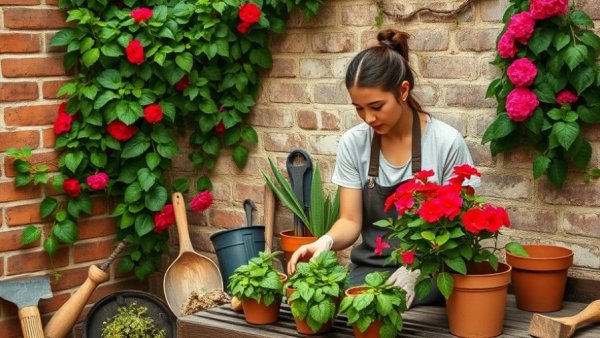
Garden decor tips before winter: woman arranging pots.

Winter's Coming: Are You Ready to Protect Your Garden?

As the temperatures drop and the days grow shorter, the art of garden preparation becomes paramount for Metro Vancouver residents keen on maintaining their garden aesthetics and plant health. The chilling arrival of the first frost can catch many off guard, leaving lush summer blooms wilting into sad shades of brown overnight. Overlooked preparatory steps today can ensure your garden is not only preserved but also transformed into a cozy outdoor retreat, bursting with warmth and charm.

In 9 Garden Decor Things to Do Before the First Frost | Fall Garden Prep, the discussion dives into essential preparations for the winter season, exploring key insights that sparked deeper analysis on our end.

Embracing the Cold: The Importance of Timely Actions

The urgency of preparation cannot be understated. One of the common mistakes is delaying crucial tasks until frost warnings emerge, by which time it's often too late. Each of the nine garden decor ideas outlined offers practical measures that safeguard plant life and enhance outdoor spaces. Whether you have a sprawling backyard or a compact patio, every step contributes to creating a warm ambiance during the colder months.

Idea 1: Pot Huddle - A Cozy, Functional Arrangement

Moving terracotta pots against the house wall not only utilizes the existing warmth of the structure but also creates an appealing visual presentation. Grouping pots in threes on crates encourages airflow and minimizes moisture retention in freezing temperatures. A small investment can produce stunning results, with a setup budget-friendly enough to fit the needs of most Vancouver residents.

Idea 2: Cool Weather Pot Swap - A Celebration of Fall

Refresh your outdoor containers by swapping out tired summer blooms for robust fall-friendly plants like ornamental kale and pansies. This quick, inexpensive project adds pops of color that cheerfully signal the arrival of autumn. Additionally, ensure adequate drainage in pots to avoid rot, allowing for flourishing plant life despite the encroaching winter.

Idea 3: Warm Lights Along the Path - Guiding You Home

Create a welcoming atmosphere with solar stake lights illuminating pathways. As daylight diminishes, proper lighting becomes essential not only for navigation but also for adding charm and character to your space. By choosing warm white bulbs, you can achieve a soothing glow that invites you to your home after a long day.

Idea 4: Standing Seed Heads - Nature's Winter Decor

Instead of manicuring your garden into winter dormancy, consider leaving ornamental grasses and seed heads for natural beauty throughout the cold months. These elements not only provide sustenance for local wildlife but also offer visual interest as frost transforms them into sparkling sculptures against the morning light.

Idea 5: The Last Bouquet - Preserving Beauty

Before frost destroys delicate blooms, cut and dry your favorite flowers, like hydrangeas and lavender, to create lovely arrangements that can adorn indoor spaces. This project showcases resourcefulness and creativity while preserving the memory of summer in your home.

Idea 6: The Tidy Potting Bench - An Organized Retreat

A tidy potting bench fosters efficiency and readiness come springtime. By organizing hoses, watering cans, and pots, you create a space that is both practical and visually appealing. This step further ensures that you minimize damage from freezing temperatures.

Idea 7: Cozy Bench Corner - Inviting Relaxation

Enhance your outdoor seating area by adding throws and flameless lanterns. This cozy corner beckons residents and guests alike to embrace the outdoors even when temperatures dip, turning your garden into a space that's just as enjoyable in fall and winter as in the vibrant summer months.

Idea 8: Spring Bulb Pot - Planning Ahead

Planting fall bulbs means embracing the beauty of spring well in advance. Layering tulip and daffodil bulbs ensures vibrant displays await once winter's chill subsides. Just be mindful of planting depth and potential squirrel visitors to safeguard your investments.

Idea 9: The Free Blanket of Leaves - Nature's Gift

Shredding fallen leaves and scattering them around perennials creates a protective blanket that conserves moisture and adds rich nutrients to the soil. This eco-friendly tip is not only budget-friendly but also a practical way to enhance soil health as it breaks down over time.

Transforming Your Garden into a Cozy Retreat

Overall, the nine garden decor ideas before the first frost reflect a balance of functionality and aesthetics essential for garden lovers in Metro Vancouver. With just one or several strategies tailored to your space, you can transform your outdoor area into a warm, inviting extension of your home. Each task serves a dual purpose—protecting precious plants while ensuring your garden remains visually engaging.

Don’t let frost catch you off guard; implement these tips while planning for a beautiful, vibrant presentation this winter. For more on enhancing your living space through thoughtful design and decor, consider subscribing for insights that can elevate your home garden experience.
Gardening Tips

8 Views

0 Comments

Write A Comment

*
*
Please complete the captcha to submit your comment.
Related Posts All Posts
11.01.2026

What Should You Bury Under Your Crops? Effective Gardening Insights

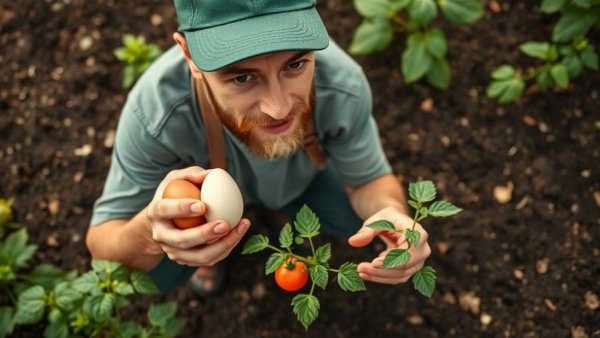
Update Unearthing Gardening Myths: What Should You Bury Beneath Your Crops? Have you ever wondered what you can bury under your crops to boost their growth? In a recent video titled Everything You Can Bury Under Crops Ranked, gardeners Jacques and his colleague sift through an array of unconventional practices that have been recommended over the years. From banana peels to rusty nails, they rank these practices from ineffective to effective. This article synthesizes their insights for those of you in Metro Vancouver looking to maximize your small space gardens.In Everything You Can Bury Under Crops Ranked, the discussion dives into unconventional gardening practices, exploring key insights that sparked deeper analysis on our end. Banana Peels: A Surprisingly Average Option Many gardeners tout banana peels as a natural fertilizer, suggesting burying them near plant roots. According to Jacques, while banana peels are organic and break down easily, they do require proper preparation for effectiveness. Chopping them up or using compost is recommended for quicker nutrient release. Thus, they rest at a C tier—not a waste, yet not particularly effective either. Eggshells: The Calcium Conundrum Next on the list are eggshells, which some claim can provide necessary calcium for plants. However, Jacques warns against this common misconception; eggshells take too long to decompose in the soil. If crushed or processed properly, they might find a use in the garden, but the original method falls into the D tier due to its inefficiency. Instead, creating a calcium solution using vinegar is an alternative to explore. Fish Remains: A Nutrient Powerhouse? Using fish scraps in the garden can sound dubious, yet it ranks higher on the scale. When buried correctly with lime to prevent pests, fish can enrich the soil with essential nutrients like nitrogen. However, Jacques advises waiting until the next season before planting directly above; placing them immediately may hinder plant growth initially. This method garners a respectable B tier rating. Epsom Salt: The Overlooked Miracle? Contrary to popular belief, Epsom salt does not contribute critical nutrients to plant growth, as plants seldom face magnesium deficiency. Jacques suggests this practice may actually harm crops, earning it a D tier rank for gardeners who seek a more targeted approach to plant health. Composting: Your Best Bet for Garden Health Amidst all buried materials, Jacques advocates composting as the king of enriching techniques. Composting not only breaks down organic matter, allowing nutrients to become bioavailable, but also feeds beneficial microorganisms that support soil health. For Metro Vancouver residents, investing time in a composting system could yield the most substantial benefits for your urban garden. Conclusion: Be Strategic with Your Burying Choices It's essential to separate fact from fiction when considering what to bury under your plants. While some methods may hold tidbits of truth, the overwhelming evidence suggests that many popular practices lack efficiency or can be counterproductive. Remember, successful gardening in urban environments often hinges on smart and informed practices. If you're ready to transform that small space into a flourishing edible garden, take these insights into your own gardening adventures. Happy planting!

10.30.2026

How to Get Rid of Root-Knot Nematodes for Good: Essential Tips for Gardeners

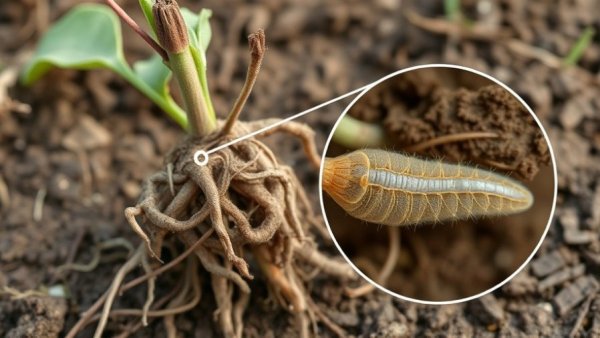
Update Understanding Root-Knot Nematodes: The Invisible Garden Enemy Despite meticulously planning your garden, providing just the right conditions for each plant, an invisible menace might be quietly wreaking havoc. Root-knot nematodes, microscopic parasites capable of devastating your plants, may be lurking in your soil. Jacques from Epic Gardening sheds light on this subject, explaining how these pests can cause significant damage, leading to plants that stall or completely die off when faced with infection. In 'Get Rid Of Root-Knot Nematodes For Good', the discussion dives into the challenges posed by these invisible pests, exploring key insights that sparked deeper analysis on our end. Identifying the Problem: Stalling Plants and What to Look For Root-knot nematodes affect your plants by penetrating their roots, injecting enzymes that disrupt nutrient flow, and ultimately stunting growth. Healthy roots are typically whitish, while infected roots develop swollen galls, indicating the presence of these pests. Pulling your plants up carefully can help you assess root health and identify whether nematodes are to blame. If swelling or galls are visible, immediate action is essential to prevent further damage. Effective Strategies for Managing Nematode Infestations One of the best ways to deal with root-knot nematodes is to establish preventive measures. Transitioning to container gardening can bypass soil-borne issues since you control the growth medium entirely. Conversely, if you prefer to grow directly in the ground, consider employing techniques such as early spring planting and meticulous crop rotation. The Role of Cover Crops and Beneficial Nematodes Integrating cover crops such as mustard or sun hemp can aid in suppressing nematode populations. Mustard plants release compounds that are lethal to nematodes, while sun hemp provides nitrogen to the soil and acts as a non-host, which nematodes cannot thrive on. In addition to these cover crops, consider introducing beneficial nematodes into your garden, which prey on the harmful species, creating a biological control system. Solarization: A Natural Approach to Killing Pests Solarization is a method that takes advantage of warm sunny days to heat the soil and ultimately kill nematodes. This involves covering your soil with clear plastic to create a greenhouse effect, raising temperatures to levels fatal for these pests. This natural method works best during hot, sunny summer months and requires minimal resources, making it an ideal solution for gardeners in urban settings. Compact But Mighty: Gardening Tips for Small Spaces For urban gardeners in Metro Vancouver, space may be limited, but that doesn't mean you can't have a fruitful garden. Utilize vertical gardening techniques or container gardening to maximize your available area while still effectively combating nematode issues. Consider investing in high-quality potting mixes and compost to support strong, healthy plants that can withstand nematode pressures. With these insights, you can take proactive steps in adapting your gardening practices, especially if you've encountered nematode problems in the past. Remember to monitor your plants carefully, choose resistant varieties, and implement sustainable practices to build a robust garden ecosystem. If you’re interested in learning more about effective strategies to manage pests and enhance your gardening experience, consider exploring resources that offer a wealth of knowledge on urban gardening and pest control.

10.29.2026

Unlock the Secret to Growing Garlic to Thrive in Your Small Garden

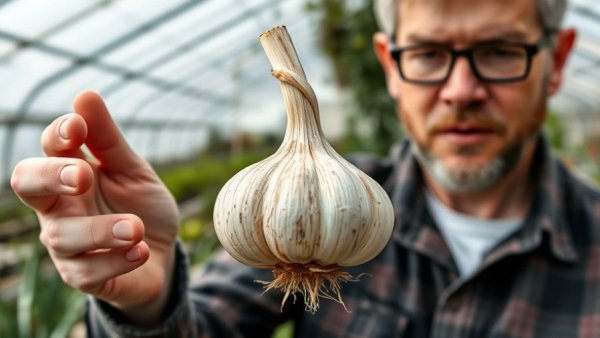
Update Tricking Garlic for a Winter Harvest: The Urban Gardening Revolution Have you ever wondered how to maximize your small garden space here in bustling Metro Vancouver? The quest for growing fresh produce doesn’t have to be limited by space—or seasonal conventions. Inspired by the video titled I tricked garlic into thinking it’s winter..., we explore how urban gardeners can outsmart the seasons and cultivate delicious garlic from their tiny patches, balconies, or even window sills!In the video I tricked garlic into thinking it’s winter..., we see innovative ways to grow garlic, inspiring us to explore the possibilities of urban gardening in limited spaces. Wintering Garlic: A Clever Gardening Hack The trick to coaxing garlic into its optimal growth cycle involves manipulating its natural dormancy period. In the video, we see an innovative approach where garlic is induced to believe it's winter, prompting it to grow stronger roots, and ultimately leading to a bountiful harvest. This technique can be particularly advantageous for those gardening in small spaces, as it allows you to extend the growing season and maximize limited resources. Benefits of Urban Garlic Farming Growing garlic at home offers a host of benefits beyond just fresh culinary delights. First and foremost, garlic is a reputable pest deterrent. When planted among other garden vegetables, it can help protect your plants. Plus, it’s a nutrient-dense food that packs flavor and health benefits into every bulb. For Metro Vancouver residents, the idea of growing an edible garden can turn a small, otherwise barren outdoor area into a flourishing source of food, enhancing the environmental aesthetic and boosting local food sustainability. Accessibility for All: Gardening in Small Spaces As city dwellers, we often face constraints when it comes to gardening. However, garlic is highly adaptable and can be grown in containers, window boxes, or even vertically, making it an ideal candidate for small-scale gardening. Vertical gardens, in particular, can transform walls into green sanctuaries, allowing for creative expressions of gardening even in the tightest locales. Incorporating pots into your balcony design can also turn that underutilized space into a thriving garden oasis. Steps to Get Started: A Simple Guide for New Urban Gardeners Ready to give garlic growing a try? Here’s a quick guide to help you start: Choose Your Garlic: Opt for hardneck or softneck types based on your local climate. Prep Your Space: Gather pots or planters, ensuring they have good drainage. Soak and Plant: Soak bulbs before planting to boost growth. Bury them pointy end up, about 2 inches deep. Manipulate Temperature: If you can, chill your garlic in the fridge for a week pre-planting to mimic winter conditions. Water and Fertilize: Keep the soil moist (but not soggy) and consider organic fertilizers to enhance growth. Before you know it, your garlic will be sprouting strong and vibrant! Gardening can be a fulfilling experience that connects us with nature, even amidst urban landscapes. Utilizing techniques like these ensures that every resident of Metro Vancouver can turn their living space into a miniature farm, making sustainability and fresh food access more attainable for everyone, particularly in small urban environments. If you’re ready to embark on your own garlic-growing journey, now’s the perfect time to start planning! Explore local community gardening resources and share your progress with fellow gardening enthusiasts online.

About This Site

This Metro Vancouver Urban Oasis blog and resource site will focus on urban gardening and small-space living solutions tailored for Metro Vancouver homes and residents. Our content will provide practical, space-saving gardening tips, landscaping, and interior design advice, catering to city dwellers with limited space but a passion for enhancing their indoor and outdoor environments.

COMPANY

  • Privacy Policy
  • Terms of Use
  • Advertise
  • Contact Us
  • Menu 5
  • Menu 6

6048250431

AVAILABLE FROM 8AM - 5PM

Surrey, BC

, ,

ABOUT US

We differentiate ourselves by offering hyper-localized content that addresses the specific climate, space constraints, and lifestyle of Metro Vancouver residents. Our expert advice on vertical gardening, balcony transformations, and indoor plant care sets us apart from broader home and garden media.

© 2026 CompanyName All Rights Reserved. Address . Contact Us . Terms of Service . Privacy Policy

Terms of Service

Privacy Policy

Core Modal Title

Sorry, no results found

You Might Find These Articles Interesting

T
Please Check Your Email
We Will Be Following Up Shortly
*
*
*